Bakersfield AC & Heating

Indoor Air Quality in Bakersfield, CA

Indoor air quality in Bakersfield - valley dust, wildfire smoke, fog-season damp: filtration, purification and ventilation matched to the air outside.

Dust runs third. Wind works the valley floor and the foothills, loading AC coils and filters with grit, driving spiders and scorpions toward shelter, and carrying the valley's own hazard - the fungus that causes valley fever lives in this soil and rides this dust, which is one more reason the region takes airborne dirt seriously. What the wind delivers, home systems must be built and serviced to handle.

And winter is not the mild season the postcards promise. From November into February the Tule fog settles over the valley floor for days - dense, damp and cold - chilling homes, wetting every surface and driving rodents and insects indoors to wait it out. Bakersfield systems are built, or should be, for the heat, the farm, the dust and the fog at once.

Signs You Need Indoor Air Quality

Dust films surfaces within days, whatever the cleaning rhythm

The house is inhaling its environment - through duct leaks, envelope gaps and undersized filtration. Surface dust is the visible fraction of an airborne load the lungs also receive.

Smoke smell indoors during fire season, with windows closed

Envelope and filtration failing together: smoke particles are the hardest common test of both. A house that smells of the fire has answered the IAQ question by itself.

Allergy and asthma symptoms that ease away from home

The comparative symptom is the classic tell - the house is the exposure. Pollen, dust mite, dander and mold divide the causes, and the plan follows the division.

Musty odors in the fog season, or mold at windows and baths

Damp-season biology: condensation on cold surfaces and in ducts, growing where the valley's winter wet sits longest. Moisture control is the treatment; fragrance is not.

A tight new home that feels stale, with headaches that clear outdoors

Sealed construction conserves energy and concentrates everything else - cooking gases, cleaning chemistry, human CO2. Ventilation, deliberately designed, is the missing system.

An aging filter habit and a system that has never been assessed for air

The default state of most houses: filtration chosen by the rack at the hardware store. An IAQ assessment replaces the default with a design matched to the house's actual air.

Why Indoor Air Quality Is a Standing Job in Bakersfield

Bakersfield sits in a bowl that collects: the valley's topography holds dust, agricultural emissions, exhaust and smoke under inversions, and Kern County's air grades are the region's standing challenge. The indoor consequence is arithmetic - outdoor air becomes indoor air through every leak and intake, and the home's systems are the only editors of that exchange.

Particle size writes the filtration story: the valley's coarse dust is easy; its fine fraction - smoke, the respirable dust that matters to lungs - demands real media and sealed filter racks, because air takes the path around a gappy filter as happily as through it. Rating numbers matter less than fit, seal and the discipline of replacement.

Moisture is the second axis: the fog season's damp grows mold in ducts, closets and cold corners, while the summer's evaporative cooling adds its own humidity signature to cooler homes. IAQ here is particles and moisture managed together - a plan for one that ignores the other fails by season.

Indoor Air Quality Through the Bakersfield Year

Bakersfield winters are Tule fog and cold nights. The fog sits on the valley floor for days at a time, damp penetrating every crawlspace and wall void, while rodents, spiders and overwintering insects settle into the warm structure of houses. Heating systems that sat idle since spring get their first real calls, and pest work turns inward: the attic, the garage, the voids.

Spring is the valley's wake-up season. Ants march as the soil warms, termite colonies swarm on the warm calm days after rain, and the first hot afternoons wake cooling systems from their fog-season idle. A spring service visit - pest inspection outside, AC check before the heat commits - is the most valuable appointment on the Bakersfield calendar.

Fall is harvest and repair season together. The last grape and almond work pushes rodents out of the fields and toward homes, the heat finally lets go, and the weather turns calm - the right weeks to fix what summer exposed, seal the gaps the winter fog will test, and service the heating before the first cold, damp night arrives.

Indoor Air Quality in Depth

The bedroom principle organizes household IAQ spending: people spend a third of their lives in one room, breathing its air at their most vulnerable - asleep. Whatever the whole-house plan, the bedroom's air deserves the first filtration dollar and the tightest door. Assessments that spread the budget evenly across square footage the household barely breathes are solving the map instead of the exposure.

Measurement has a consumer chapter worth respecting: inexpensive particle counters and CO2 gauges do not diagnose, but they do trend - and a household that watches its numbers across a smoke week or a filter change learns its own house's air behavior better than any single visit teaches. The assessment tells you what to measure and what the readings should do when the plan works, so the plan's value is checkable by its owner.

Choosing the Right Help

Choose the IAQ plan that starts with your house's diagnosis and spends on sources before devices. The provider whose first recommendation is a product has the sequence inverted; the air in your house is a system, and it should be treated - and sold - as one.

The Climate Behind It

Bakersfield sits at the south end of the San Joaquin Valley, where the Sierra Nevada, the Tehachapis and the Coast Ranges close around the valley floor - and the geography sets the terms for every home system in the city. Summer is the headline: afternoons pass 100 degrees for weeks at a stretch, roofs and outdoor units bake all day, and air conditioners here log run-hours that mild-climate equipment never sees.

Agriculture is the second force. Almonds, grapes, citrus, carrots and cotton work right up to the subdivision fences, and the fields send their residents visiting - rodents at harvest, ants and crickets in season, mosquitoes off the irrigation canals, and pantry pests wherever grain and feed are stored. A Bakersfield home is never as separate from the farm as its fence suggests.

How Indoor Air Quality Works

Assess the house's air honestly

Symptoms, sources, duct condition, filtration state and moisture map are read together - the plan is written from the house's diagnosis, not a product line.

Fix the sources and the leaks first

Duct sealing, envelope gaps, moisture sources - the load reduced before any device is asked to clean it. Source control is the IAQ step with no replacement filter to buy.

Upgrade filtration to the diagnosis

Media depth and rating matched to the particle problem and the system's airflow budget - sealed racks, correct sizing, and a replacement calendar the dust respects.

Add purification or ventilation where the diagnosis calls for it

Smoke, allergen or staleness problems each have their tool - specified by the assessment, sized to the house, and maintained on a stated rhythm.

Doing It Yourself vs a Professional

The DIY Route

  • An ionizing gadget bought from an ad, unmeasured, while the duct leaks keep delivering attic air
  • The tightest filter the rack accepts, choking the blower and icing the coil - filtration has an airflow budget
  • Scented sprays and candles over a mold source - perfume is not remediation, and the colony keeps the calendar
VS

The Professional Route

  • Diagnoses before devices - the house's air problem is identified before anything is sold
  • Sequences honestly: sources and leaks, then filtration, then devices where they earn
  • Matches filtration to the system's airflow so the cure never strangles the cooling

Keep It From Coming Back

IAQ prevention is the daily half of the air plan: source habits, filter discipline and moisture sense. The list below is what the assessment's hardware cannot do without you.

  • Keep the filter calendar by the valley's dust, not the package - and seal the rack's gaps when you change it.
  • Run the system fan during smoke days to keep air moving through the filter - a parked system filters nothing.
  • Hold indoor humidity in the middle band: dry enough to starve mold, not so dry it irritates - a gauge costs little.
  • Ventilate baths and kitchens at the source; moisture and cooking gases removed at birth never join the house's air.
  • Vacuum with a sealed, filtered machine and damp-dust - cleaning that re-aerosolizes is not cleaning.
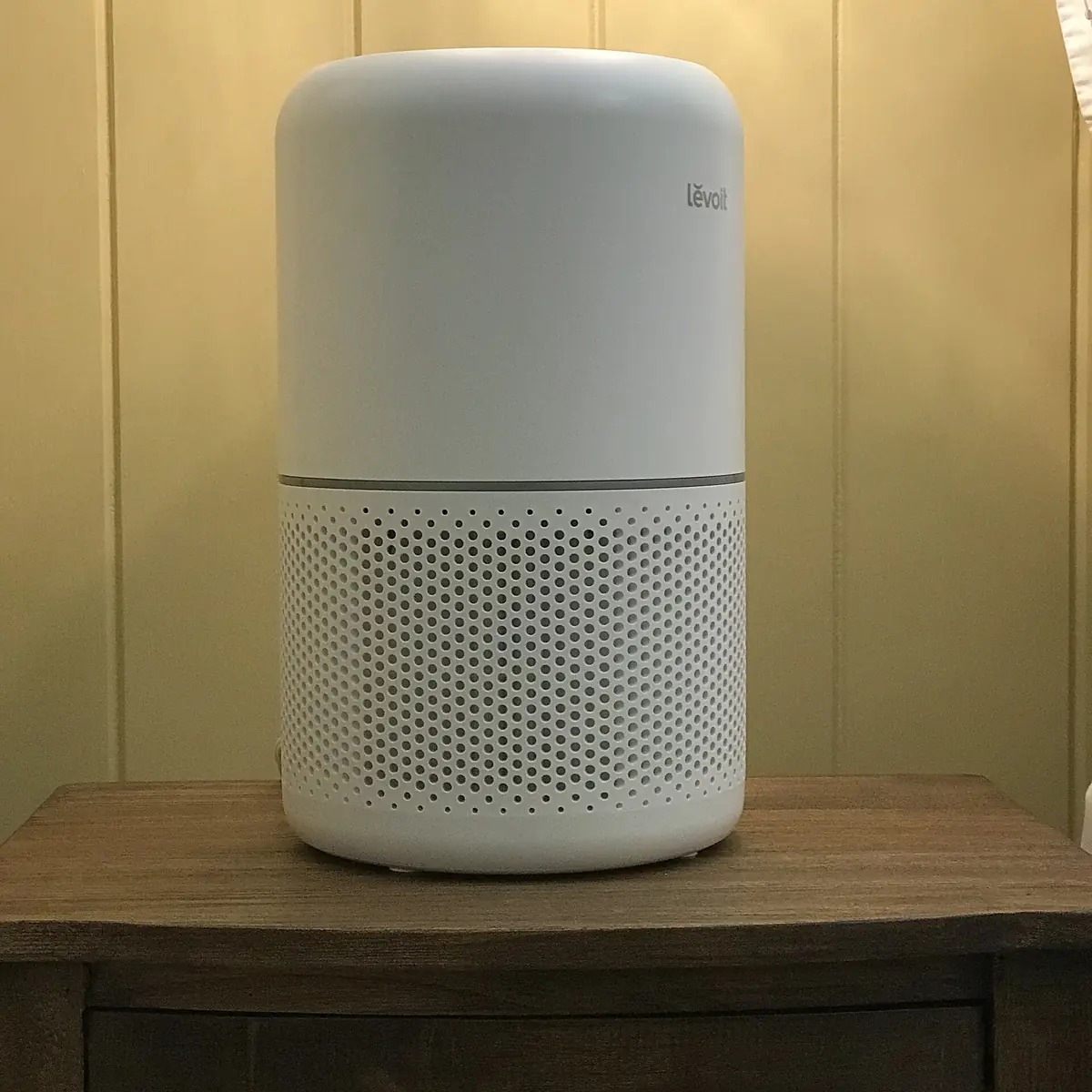
  • During smoke weeks, make one clean room: best filter, door closed, a portable unit if the household needs it.

Indoor Air Quality in the Kern County Towns

The towns around Bakersfield share its heat and its farm pressure - with their own twists of altitude, age and distance to open ground.

Indoor Air Quality in La Cresta

La Cresta and Alta Vista sit on the bluffs northeast of downtown - custom homes, winding streets and river views in one of the city's oldest upscale districts. The elevation buys breeze and outlook; the bluffs buy a wild edge that most city neighborhoods do not have.

Indoor Air Quality in Seven Oaks

Seven Oaks is the city's gated golf-course community in the southwest - large newer homes around fairways and lakes off White Lane and Buena Vista Road. Manicured, guarded and landscaped to a standard, it is Bakersfield's resort-style suburb.

Indoor Air Quality in Silver Creek

Silver Creek anchors the city's fast-growing south side - 2000s subdivisions around Silver Creek Park, with young families, new schools and the Panama Lane retail corridor at its edge. It is the newest Bakersfield, still filling in toward the farmland to the south.

Indoor Air Quality in Haggin Oaks

Haggin Oaks spreads along the Kern River's south side in the southwest - newer neighborhoods within reach of the river parkway, the bike trail and the Kern River Golf Course. River air, green corridors and modern subdivisions make it one of the city's most outdoors-oriented districts.

Where Indoor Air Quality Is Needed Most

On the east side and up against the foothills - Downtown Bakersfield, Oildale, East Bakersfield and Northeast Bakersfield, Northwest Bakersfield - the housing runs from historic wood-frame blocks to fast-built modern tracts, and indoor air quality follows the construction: drywood in the old framing, supercolonies under the new slabs, and summer loads that test every shortcut the building waves took.

Across the center, the west and the south - Southwest Bakersfield, Rosedale, Stockdale and Oleander, Westchester, College Heights - sit the city's established neighborhoods, its college and foothill homes and its mature canopy, which together make this the steadiest indoor air quality territory in the city.

Beyond the city line, the same work runs in La Cresta, Seven Oaks, Silver Creek, Haggin Oaks, Gosford, Old Stine, Casa Loma, Panama Lane, Shafter, Wasco, Delano, McFarland, Arvin, Lamont, Tehachapi, Taft, Buttonwillow, Lake Isabella, Frazier Park - farm towns, foothill communities and mountain settlements where field pressure, altitude and older housing add their own chapters. Every one of these area pages carries the local detail for indoor air quality in that community.

Coverage, In Full

Indoor Air Quality runs across the whole service map: Downtown and Oildale; East and Northeast Bakersfield; the Northwest and Rosedale; the Southwest and the southern growth along Panama Lane; and beyond the city in Shafter, Wasco, Delano, McFarland, Arvin, Lamont, Tehachapi, Taft, Buttonwillow, Lake Isabella and Frazier Park. One call covers all of it - the local pages above carry the detail for each. If your street is not named here, call anyway: routes grow with demand, and most Kern County addresses are already within reach of a scheduled run.

From the Bakersfield Home Guides

Indoor Air Quality Questions

Does a swamp cooler change indoor air in Bakersfield?

Yes - evaporative cooling exchanges house air constantly and adds moisture, which dilutes indoor pollutants while raising the damp stakes in the fog shoulder seasons. Cooler homes have an IAQ profile of their own, and the assessment reads it as such.

Can IAQ work help with valley allergies in Bakersfield?

It reduces the indoor share of the exposure - pollen and dust filtered, sources sealed, bedroom air kept cleanest - which is the share a household controls. It is exposure management, not a medical treatment; the symptom diary you keep is what proves its value in your house.

What affects the cost of indoor air quality work in Bakersfield?

How much is source work - duct sealing, moisture correction - versus filtration upgrades versus devices, and the house's size and system count. The assessment separates the three so each is bought on its own evidence.

How often do IAQ systems need maintenance in Bakersfield?

Filters on the dust calendar, purification media and lamps on their service lives, moisture systems seasonally. Every IAQ device has a consumable heart; the plan you receive states each rhythm, because an unmaintained purifier is furniture.

What is the biggest indoor air problem in Bakersfield homes?

Dust load, by volume - the valley's environment delivers it constantly, and most houses admit it through duct and envelope leaks while filtering casually. Smoke weeks are the acute version of the same problem. The assessment usually finds the load reducible at the sources before any device is discussed.

Will a better filter help during wildfire smoke in Bakersfield?

A high-grade, well-sealed filter in a system that runs is the house's main smoke defense - it cannot make indoor air pristine while the valley is under smoke, but it cuts the fine-particle load decisively. The filter's fit matters as much as its rating; bypass air is unfiltered air at full price.

Do I need an air purifier in Bakersfield, or is filtration enough?

It depends on the diagnosis: general dust and smoke yield to system filtration done right; a specific bedroom need - an asthmatic child, a smoke-sensitive elder - often earns a room unit; whole-house purification devices answer narrower problems. The assessment's job is keeping the device count honest.

What should I do before an IAQ visit in Bakersfield?

Note symptoms with their pattern - who, where in the house, which season - and any smoke, moisture or odor history. Leave filters and ducts as they are; the as-found state is the diagnosis's raw material.

Please note: Bakersfield Home Services is an independent directory and referral service, not a pest control or HVAC contractor. The professionals reachable through this site are independent businesses; any agreement for work is between you and the professional you engage. Service information on this site is general educational material - the scope of any real work is set by an on-site inspection.

Ants in the Kitchen, a Nest Over the Door, or an AC That Quit in July?

One call connects you with a local home-services professional serving Bakersfield - pest control and cooling help, matched to your part of the valley.

📞 Call Now