Termite Control Through the Bakersfield Year
Summer is the proving season. Weeks of 100-degree afternoons run air conditioners near-continuously, cockroaches and ants press indoors hunting water, and roof rats commute through the shade trees at night. Harvest begins in the fields, and field rodents start their annual move toward houses, sheds and stored feed. Everything a home system does, it does at full load now.
Spring is the valley's wake-up season. Ants march as the soil warms, termite colonies swarm on the warm calm days after rain, and the first hot afternoons wake cooling systems from their fog-season idle. A spring service visit - pest inspection outside, AC check before the heat commits - is the most valuable appointment on the Bakersfield calendar.
Bakersfield winters are Tule fog and cold nights. The fog sits on the valley floor for days at a time, damp penetrating every crawlspace and wall void, while rodents, spiders and overwintering insects settle into the warm structure of houses. Heating systems that sat idle since spring get their first real calls, and pest work turns inward: the attic, the garage, the voids.
Termite Control in Depth
Treatment systems divide by how they meet the colony. Soil treatments create a treated zone the subterraneans must cross, with modern products designed to be carried back into the colony itself; bait systems station the perimeter and let foragers recruit the treatment home over weeks. Drywood work divides differently - localized injection and treatment where galleries are accessible, whole-structure approaches where they are not. The inspection's map, the structure's construction and the household's situation choose among them, and any honest proposal says why its system fits your map.
After treatment, the valley keeps its side of the argument: colonies persist in the soil around every treated home, swarm seasons arrive on schedule, and new bridges get built by new fences and planters. The monitoring and inspection rhythm that follows treatment is therefore not an upsell but the condition's nature - termite control in Bakersfield is a state maintained, with paperwork that proves the state at any date a buyer or lender asks.
Choosing the Right Help
Choose treatment when activity is confirmed and mapped - and choose the inspector's map before the treatment's chemistry, every time. In termite work the sequence is the quality: identify, map, treat the colony's system, then hold the state with monitoring.
The Climate Behind It
Bakersfield sits at the south end of the San Joaquin Valley, where the Sierra Nevada, the Tehachapis and the Coast Ranges close around the valley floor - and the geography sets the terms for every home system in the city. Summer is the headline: afternoons pass 100 degrees for weeks at a stretch, roofs and outdoor units bake all day, and air conditioners here log run-hours that mild-climate equipment never sees.
Agriculture is the second force. Almonds, grapes, citrus, carrots and cotton work right up to the subdivision fences, and the fields send their residents visiting - rodents at harvest, ants and crickets in season, mosquitoes off the irrigation canals, and pantry pests wherever grain and feed are stored. A Bakersfield home is never as separate from the farm as its fence suggests.
How Termite Control Works
Inspect and identify the species
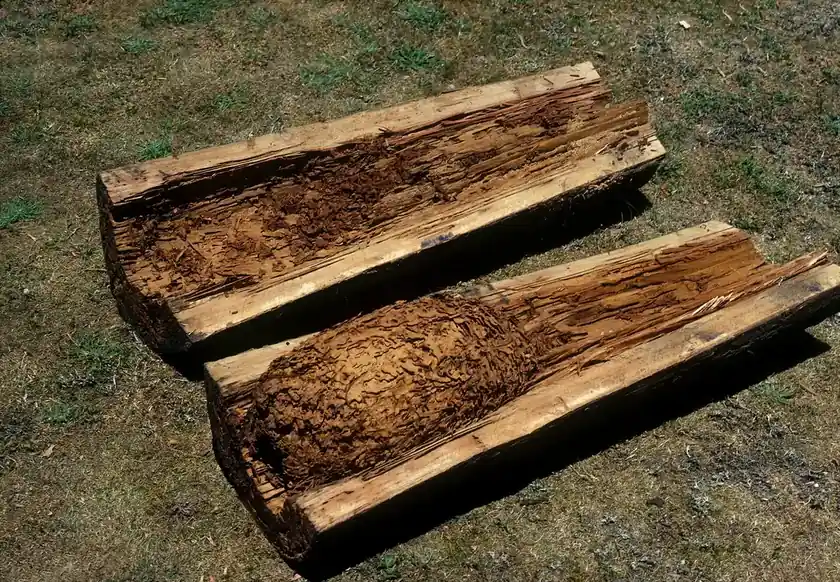
Subterranean or drywood - the colony's address decides the entire treatment. Tubes, frass, damage patterns and swarm evidence are read before any plan is drawn.
Map the activity, not just the damage
Where they are feeding, how they are entering, and what wood is carrying load - the treatment map follows the colony's system.
Treat at the colony and the crossing
Soil and barrier work for subterraneans, localized or whole-structure approaches for drywoods - the method follows the species and the structure.
Remove the invitations and set the watch
Bridges cut, wood-to-soil contact ended, moisture fixed - and an inspection rhythm set, because in this valley termites are a standing condition to manage.
Doing It Yourself vs a Professional
The DIY Route
- Spot-spraying the tube you found while the colony reroutes around it by morning
- Painting over drywood frass holes without treating the gallery inside the beam
- Assuming the slab home is immune - subterraneans cross at joints and plumbing penetrations, invisibly
VS
The Professional Route
- Identifies the species first, because subterranean and drywood control are different trades
- Treats the colony system and its crossings, not just the damaged board
- Maps load-bearing damage honestly, so repair decisions rest on evidence
Keep It From Coming Back
Termite prevention is moisture and distance: colonies are permanent residents of valley soil, so the household's whole game is keeping wood dry, separated and visible - the conditions below are the ones inspectors grade.
- Keep soil, mulch and planters below the stucco line and off the stem wall.
- Fix irrigation overspray and leaks at the foundation - moisture is the subterranean invitation.
- Store firewood and lumber away from the house, off the ground.
- Keep fence and trellis wood from touching the structure; use the gap as a moat.
- Watch for wings and frass each spring and fall swarm season and act on the first sign.
- Have an inspection before buying, and on a rhythm after - valley homes earn it.