Rodent Control Through the Bakersfield Year
Bakersfield winters are Tule fog and cold nights. The fog sits on the valley floor for days at a time, damp penetrating every crawlspace and wall void, while rodents, spiders and overwintering insects settle into the warm structure of houses. Heating systems that sat idle since spring get their first real calls, and pest work turns inward: the attic, the garage, the voids.
Fall is harvest and repair season together. The last grape and almond work pushes rodents out of the fields and toward homes, the heat finally lets go, and the weather turns calm - the right weeks to fix what summer exposed, seal the gaps the winter fog will test, and service the heating before the first cold, damp night arrives.
Spring is the valley's wake-up season. Ants march as the soil warms, termite colonies swarm on the warm calm days after rain, and the first hot afternoons wake cooling systems from their fog-season idle. A spring service visit - pest inspection outside, AC check before the heat commits - is the most valuable appointment on the Bakersfield calendar.
Rodent Control in Depth
The sanitation chapter follows removal in established cases: attic insulation that has hosted rats for a season carries droppings, urine and the pheromone trails that recruit successors. Decontamination and, in heavy cases, insulation replacement are scoped honestly from the attic's evidence - they are also the step that removes the smell-map telling the next harvest's rodents that this address is rodent-approved.
Exclusion materials matter at a level of detail mice make vivid: a mouse passes a gap the width of a pencil, a rat one the width of a thumb. Copper mesh, steel wool's betters, hardware cloth and sealants each have their station, and vents must exclude without strangling the attic's ventilation. The exclusion list from your inspection names materials per opening, because 'sealed' is a specification, not a gesture.
Choosing the Right Help
Choose control that ends with exclusion, or expect to choose it again next season. Trapping alone rents relief; sealing owns it. The quote that separates removal from exclusion honestly is the one that lets you buy the permanent version on purpose.
The Climate Behind It
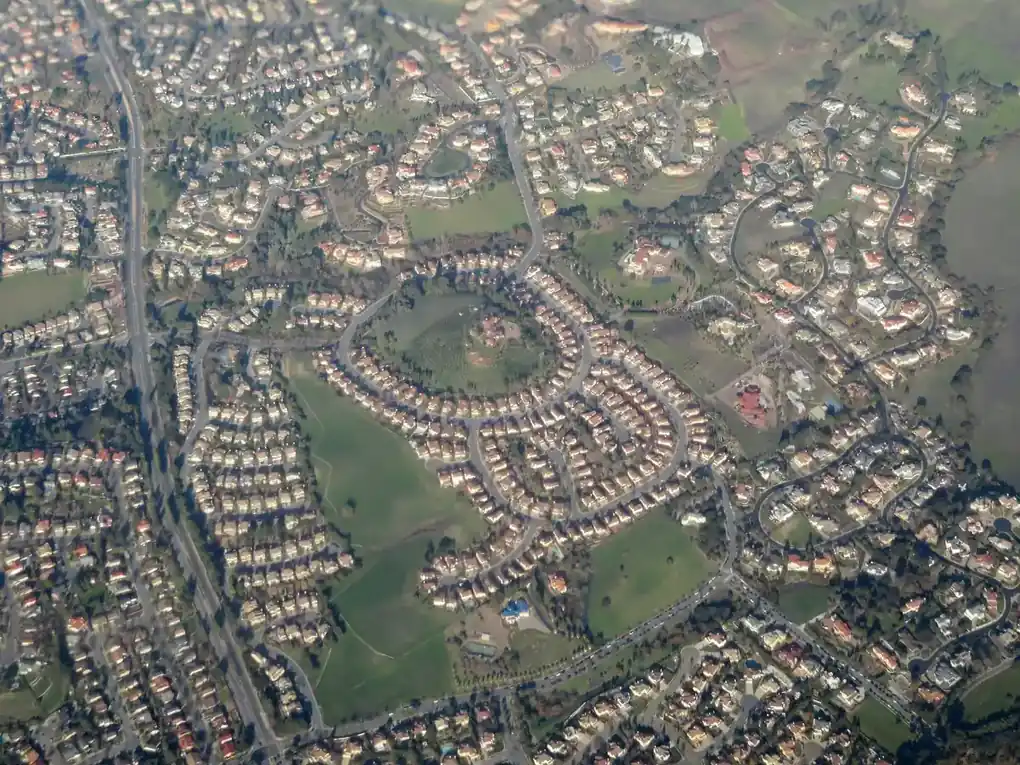
Bakersfield sits at the south end of the San Joaquin Valley, where the Sierra Nevada, the Tehachapis and the Coast Ranges close around the valley floor - and the geography sets the terms for every home system in the city. Summer is the headline: afternoons pass 100 degrees for weeks at a stretch, roofs and outdoor units bake all day, and air conditioners here log run-hours that mild-climate equipment never sees.
Agriculture is the second force. Almonds, grapes, citrus, carrots and cotton work right up to the subdivision fences, and the fields send their residents visiting - rodents at harvest, ants and crickets in season, mosquitoes off the irrigation canals, and pantry pests wherever grain and feed are stored. A Bakersfield home is never as separate from the farm as its fence suggests.
How Rodent Control Works
Inspect for species, routes and entries
Attic, roofline, foundation and yard are read together - droppings, rub marks, gnawing and holes identify who is present and how they commute.
Remove the animals present
Trapping matched to species and placement - set on the routes the inspection mapped, checked on a rhythm until the activity stops.
Seal the structure - exclusion
Vents screened, gaps sealed, roofline and foundation entries closed with rodent-proof materials. This is the step that makes the result permanent.
Sanitation and the standing watch
Contaminated areas addressed, invitations removed - fruit, feed, harborage - and the monitoring that catches the next push at the fence line, not the attic.
Doing It Yourself vs a Professional
The DIY Route
- Poison bait as the whole plan - animals die in walls and attics, and the entry holes stay open for the next tenants
- Sealing the holes first, while the colony is still inside - the routes move into the living space
- A trap or two in the open floor, away from the walls and runs where rodents actually travel
VS
The Professional Route
- Identifies the species and its routes before placing a single trap
- Pairs removal with exclusion - the sealing is what makes it control rather than harvest
- Reads the yard and the canopy as part of the house's rodent map
Keep It From Coming Back
Rodent prevention in the valley is a harvest-season discipline: food, canopy and gaps managed before the pushes arrive. The list below is the exclusion visit's homework, spread across the year.
- Harvest citrus and fruit promptly; fallen fruit is a roof rat banquet.
- Keep trees trimmed back from the roof and clear ivy off walls.
- Store pet food, bird seed and feed in sealed metal or hard plastic containers.
- Screen attic and foundation vents with hardware cloth; seal pipe and conduit gaps.
- Clear woodpiles, debris and dense ground cover away from the walls.
- Fix the fall inspection into your calendar - before harvest and fog, not after the scratching starts.