Termite Inspection Through the Bakersfield Year
Spring is the valley's wake-up season. Ants march as the soil warms, termite colonies swarm on the warm calm days after rain, and the first hot afternoons wake cooling systems from their fog-season idle. A spring service visit - pest inspection outside, AC check before the heat commits - is the most valuable appointment on the Bakersfield calendar.
Fall is harvest and repair season together. The last grape and almond work pushes rodents out of the fields and toward homes, the heat finally lets go, and the weather turns calm - the right weeks to fix what summer exposed, seal the gaps the winter fog will test, and service the heating before the first cold, damp night arrives.
Bakersfield winters are Tule fog and cold nights. The fog sits on the valley floor for days at a time, damp penetrating every crawlspace and wall void, while rodents, spiders and overwintering insects settle into the warm structure of houses. Heating systems that sat idle since spring get their first real calls, and pest work turns inward: the attic, the garage, the voids.
Termite Inspection in Depth
The report's categories carry the weight in a transaction: Section-style distinctions between active infestation, damage, and conditions likely to lead to both are how California's pest reporting keeps buyers, sellers and lenders reading the same facts. An inspection that blurs the categories serves no one at the table; the value of the document is exactly its unwillingness to blur.
For homeowners not in a transaction, the inspection's value is the conditions list - the moisture, the soil lines, the wood contacts - because conditions are the only part of the termite equation a household fully controls. Colonies are the valley's; bridges are yours. Most properties that work their conditions list faithfully never meet the treatment half of this trade at all.
Choosing the Right Help
Choose the dedicated inspection at transactions, at first evidence, and on the standing rhythm for valley homes. It is the one pest purchase whose product is information - and in a valley of silent colonies, information is the soundest protection there is.
The Climate Behind It
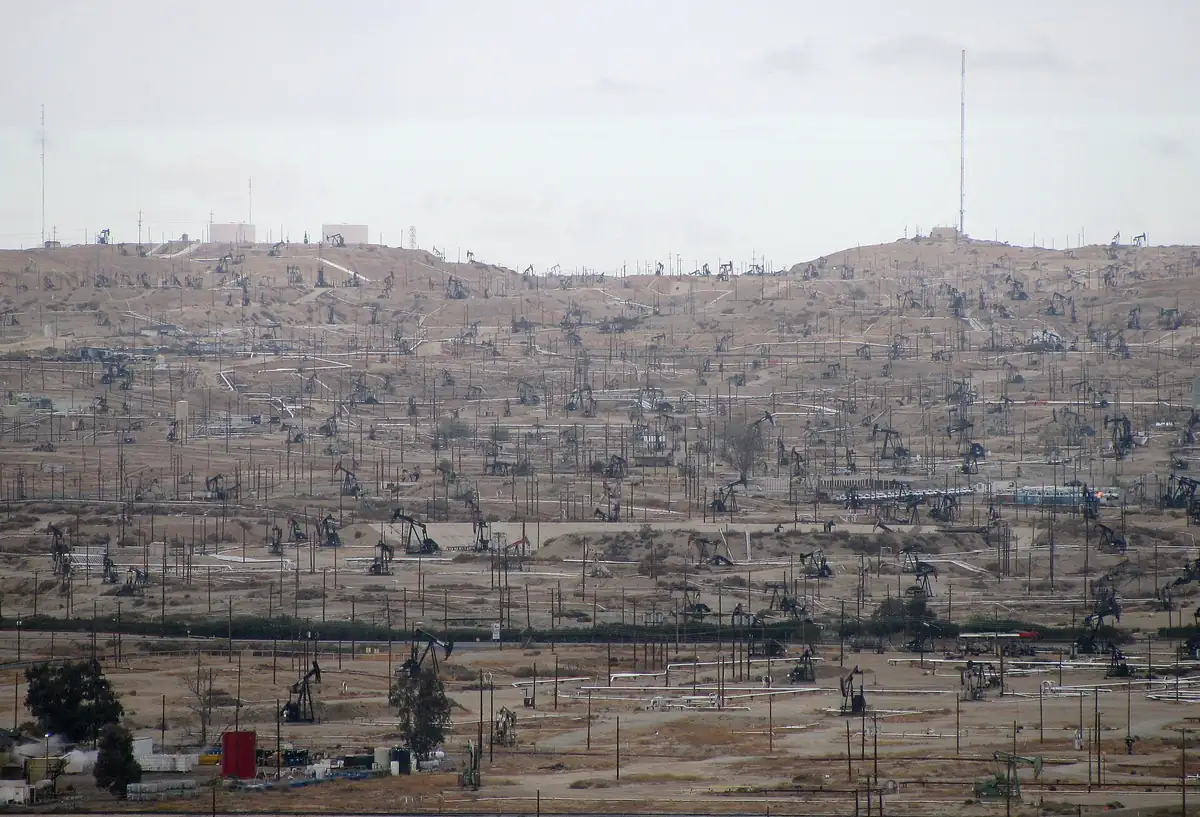
Bakersfield sits at the south end of the San Joaquin Valley, where the Sierra Nevada, the Tehachapis and the Coast Ranges close around the valley floor - and the geography sets the terms for every home system in the city. Summer is the headline: afternoons pass 100 degrees for weeks at a stretch, roofs and outdoor units bake all day, and air conditioners here log run-hours that mild-climate equipment never sees.
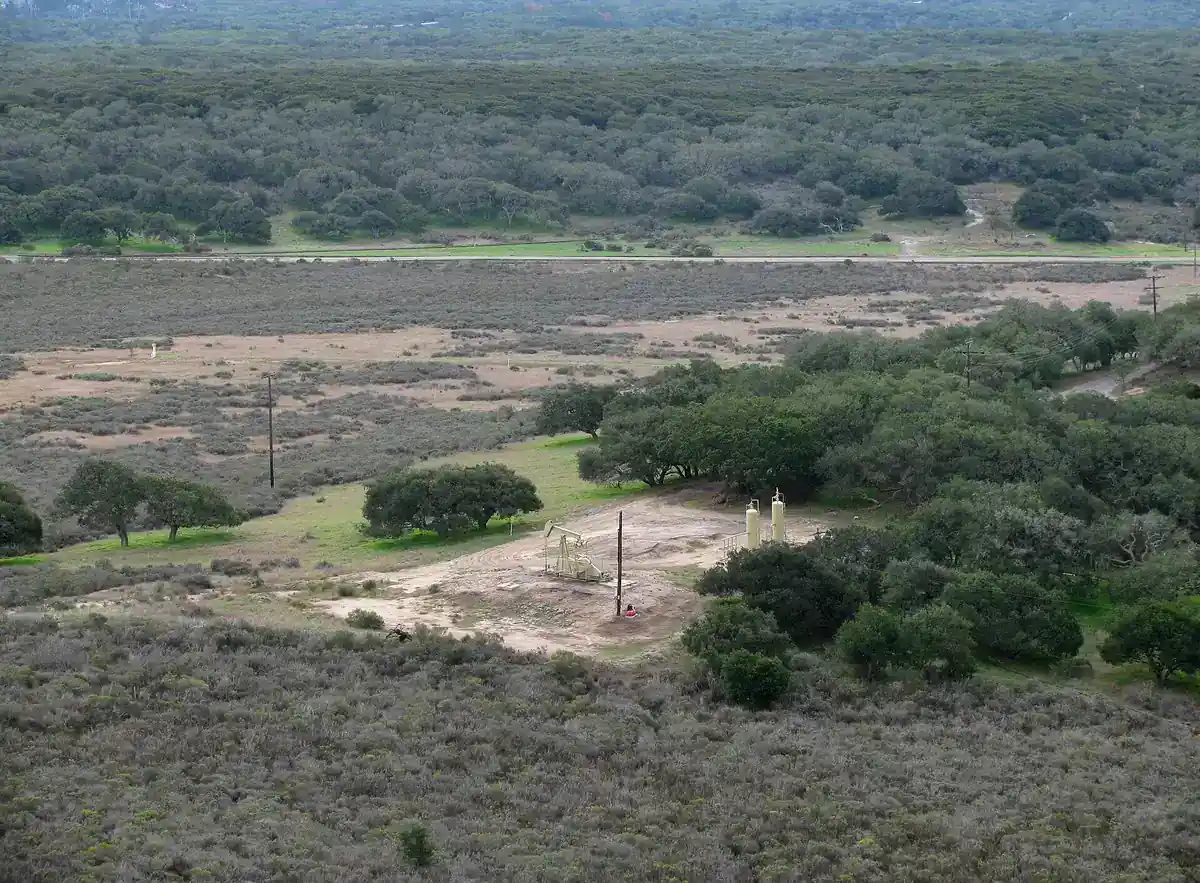
Agriculture is the second force. Almonds, grapes, citrus, carrots and cotton work right up to the subdivision fences, and the fields send their residents visiting - rodents at harvest, ants and crickets in season, mosquitoes off the irrigation canals, and pantry pests wherever grain and feed are stored. A Bakersfield home is never as separate from the farm as its fence suggests.
How Termite Inspection Works
Exterior read first
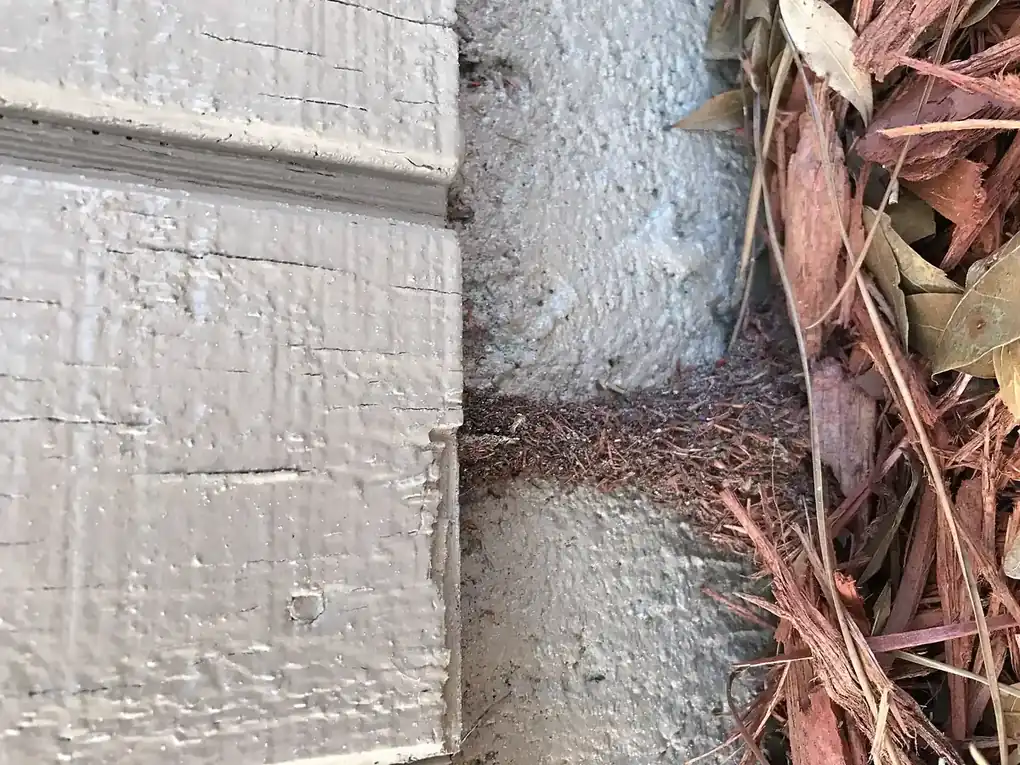
Foundation line, stucco and soil levels, irrigation reach, fences and wood-to-soil contacts - the invitations are catalogued before the structure is entered.
Interior and void inspection
Garage walls, bath and kitchen wood, attic framing and crawlspace where present - probed and sounded for activity and damage.
Classify every finding
Active or historic, subterranean or drywood, structural or surface - each mark on the map gets its category and its consequence.
Report and recommendations
Findings in writing, with the treatment, repair and prevention steps each finding calls for - and the re-inspection rhythm the property needs.
Doing It Yourself vs a Professional
The DIY Route
- A flashlight walk-around that never enters the attic or crawlspace, where the evidence lives
- Probing only the wood you can reach from the doorway - termites work the far corners first
- Reading old tubes as current activity, or current frass as old - the misclassification cuts both ways
VS
The Professional Route
- Reads all four evidence types and separates active from historic before recommending anything
- Covers the voids - attic, crawlspace, garage lines - not just the living space
- Reports the conditions inviting termites alongside the termites, so the fix outlasts the visit
Keep It From Coming Back
Between inspections, the homeowner is the monitoring system. The habits below keep the structure readable and the invitations closed, so the next inspection opens a short file.
- Keep the foundation line visible - never bury the inspection zone under soil or planters.
- Log swarm-season signs with dates and photos; evidence ages, records do not.
- Fix foundation moisture between inspections, not after them.
- Keep attic and crawlspace access clear - an inspector who cannot enter cannot clear.
- Treat yard wood findings as house findings; schedule the look when the fence shows damage.
- Re-inspect on a rhythm - annually is the valley standard for homes with any history.