Ductless Mini-Split Installation Through the Bakersfield Year
Spring is the valley's wake-up season. Ants march as the soil warms, termite colonies swarm on the warm calm days after rain, and the first hot afternoons wake cooling systems from their fog-season idle. A spring service visit - pest inspection outside, AC check before the heat commits - is the most valuable appointment on the Bakersfield calendar.
Bakersfield winters are Tule fog and cold nights. The fog sits on the valley floor for days at a time, damp penetrating every crawlspace and wall void, while rodents, spiders and overwintering insects settle into the warm structure of houses. Heating systems that sat idle since spring get their first real calls, and pest work turns inward: the attic, the garage, the voids.
Fall is harvest and repair season together. The last grape and almond work pushes rodents out of the fields and toward homes, the heat finally lets go, and the weather turns calm - the right weeks to fix what summer exposed, seal the gaps the winter fog will test, and service the heating before the first cold, damp night arrives.
Ductless Mini-Split Installation in Depth
Multi-zone design has one subtlety the brochure skips: heads share the outdoor unit's capacity, and Bakersfield's 4 p.m. peak is exactly when every zone calls at once. The zone study therefore sizes against the coincident peak, not the sum of nameplates in isolation - the difference between a system that holds the house at design temperature and one that takes turns. Your design states its peak arithmetic plainly.
Ductless also changes the renovation map for older valley homes: rooms can be conditioned as they are renovated, one zone at a time, instead of a whole-system project gating the household's plans. Casitas, studios and rental units each take their own machine and their own meter of responsibility. For the valley's stock of evolving houses, that modularity is often the deciding practical virtue.
Choosing the Right Help
Choose ductless where its geometry wins - the unreached room, the conversion, the zoned core - and let the zone study argue against it where ducts would serve better. The provider willing to lose the ductless sale to a duct repair is the one to buy the ductless system from.
The Climate Behind It
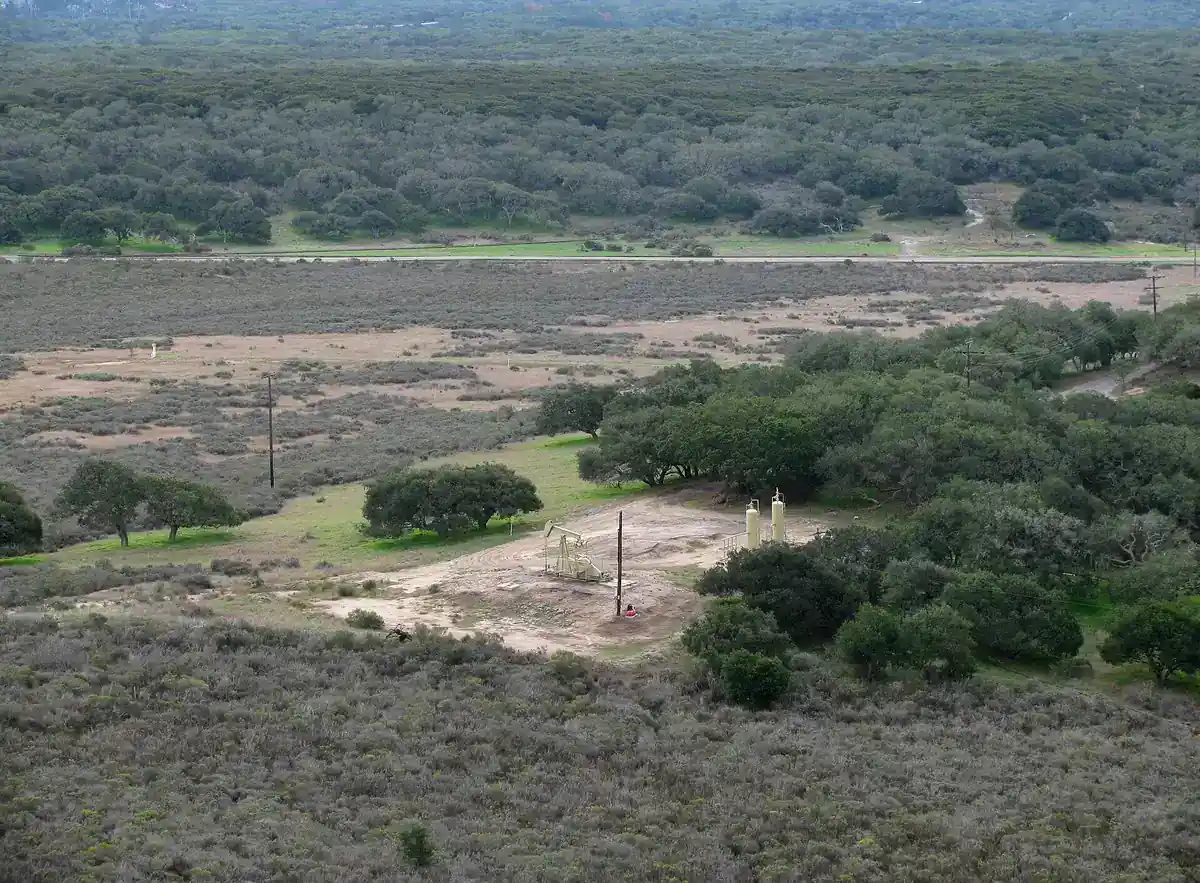
Bakersfield sits at the south end of the San Joaquin Valley, where the Sierra Nevada, the Tehachapis and the Coast Ranges close around the valley floor - and the geography sets the terms for every home system in the city. Summer is the headline: afternoons pass 100 degrees for weeks at a stretch, roofs and outdoor units bake all day, and air conditioners here log run-hours that mild-climate equipment never sees.
Agriculture is the second force. Almonds, grapes, citrus, carrots and cotton work right up to the subdivision fences, and the fields send their residents visiting - rodents at harvest, ants and crickets in season, mosquitoes off the irrigation canals, and pantry pests wherever grain and feed are stored. A Bakersfield home is never as separate from the farm as its fence suggests.
How Ductless Mini-Split Installation Works
Zone study - which rooms, what loads, which configuration
Each candidate room is measured and its use read; single-zone and multi-zone options are drawn against the house's actual hot spots.
Design the runs - line sets, drains, electrical
The invisible engineering: shortest clean line paths, gravity drains where possible, pumps where necessary, electrical capacity confirmed.
Install and commission each head
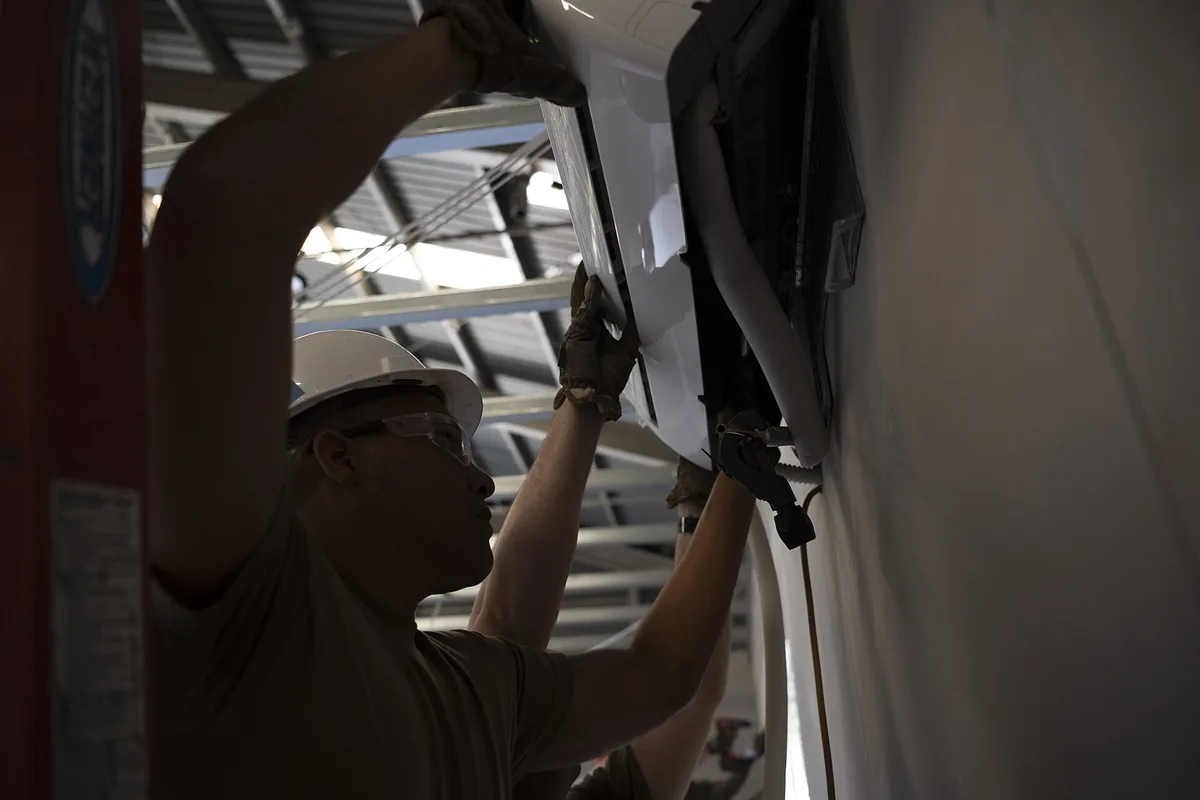
Mounts level, lines flared and torqued to specification, systems evacuated and charged by weight and measurement, drains tested with water, not optimism.
Teach the remotes, set the rhythm
Each zone's controls explained, filters demonstrated, the condensate and maintenance calendar handed over - ductless systems reward owners who know their machines.
Doing It Yourself vs a Professional
The DIY Route
- The internet kit installed by optimism - unflared lines, no vacuum, a drain run uphill, and a warranty voided at birth
- Oversizing a bedroom zone 'for power' and living with the short-cycle clamminess of a machine that never settles
- Mounting the head where it looks right instead of where its throw and drain say it must go
VS
The Professional Route
- Sizes each zone by its room's load - inverter machines punish the by-tonnage habit
- Engineers the condensate first, because drainage is where ductless installations confess
- Commissions with vacuum, weight and measurement, and hands over the controls like the appliances they are
Keep It From Coming Back
Ductless ownership is a light discipline: small filters, honest drains and remotes used as designed. The habits below keep the quietest system in the house from becoming the wettest.
- Clean the head filters monthly in season - they are small, fast to load with valley dust, and washable.
- Keep the drain path proven: watch the condensate line's discharge in the first weeks and at each season start.
- Never close a head's louvers to 'off' by hand - use the remote; the machine manages its own defrost and drainage.
- Keep the outdoor unit's coil rinsed and its airflow unboxed, same as any condenser.
- Run zones on schedules that match occupancy - the savings live in the idle rooms.
- Have pumps, where fitted, checked at the seasonal service; a silent pump is a ceiling stain in rehearsal.