Termite Signs in San Joaquin Valley Homes: A Field Guide to the Evidence
Subterranean termites announce themselves with mud tubes and spring swarmers; drywoods with frass pellets and fall swarmers.
Read the Guide
Spring: termite swarmers, ant colonies waking, wasp queens founding, mosquitoes at first irrigation.
Problem: Spring: termite swarmers, ant colonies waking, wasp queens founding, mosquitoes at first irrigation.
Solution: Summer: Argentine ants and roaches at peak, widows breeding, wasp colonies defending, emergency calls at their highest.
When to call: Fall and fog: harvest rodents move to structures, drywood termites swarm, spiders and shelter-seekers come in - seal before the fog does the inviting.
Pest pressure in Bakersfield is not random - it is a calendar written by heat, harvest and fog, and it repeats with enough fidelity that a household can plan by it. This is that calendar: which pests peak in which months, what triggers each wave, and the few dated habits - the spring eave walk, the early-fall sealing - that keep a valley home ahead of its own year.
Bakersfield sits at the south end of the San Joaquin Valley, where the Sierra Nevada, the Tehachapis and the Coast Ranges close around the valley floor - and the geography sets the terms for every home system in the city. Summer is the headline: afternoons pass 100 degrees for weeks at a stretch, roofs and outdoor units bake all day, and air conditioners here log run-hours that mild-climate equipment never sees.
March through May starts every clock at once. Subterranean termites swarm on warm days after rain - wings at the windows are the season's first inspection trigger. Argentine ant colonies resume full foraging as soil warms; the first sink trails of the year are the baiting program's ideal starting gun, while colonies are hungry and unified. Wasp queens found their nests in these months, small enough to remove with a knuckle - the spring eave walk is the simplest pest appointment in the valley.
Mosquitoes restart with the irrigation: canals fill, drains run, and the first generations build from the valley's standing water. Spring is also the maintenance hinge for the whole year - the AC tune-up, the pest service start, the perimeter seal check - because every summer problem in this calendar has a spring version that costs a tenth as much.
June through September is the valley's full employment act for pests. Argentine ants hit maximum foraging in the heat, keyed to household water; German cockroaches breed at their fastest in warm kitchens; American roaches wander from the drains on hot nights. Black widows breed through the season, sacs accumulating in every undisturbed garage corner. Wasp colonies reach their defensive peak in August and September - the nest over the door in August is the spring's missed starter nest, grown.
Summer is also when the valley's systems fail publicly: pest emergencies cluster here because the insects do. The households that read this calendar in spring experience summer as a monitoring season; the ones that meet it unprepared experience it as a series of events, each with a date they remember.
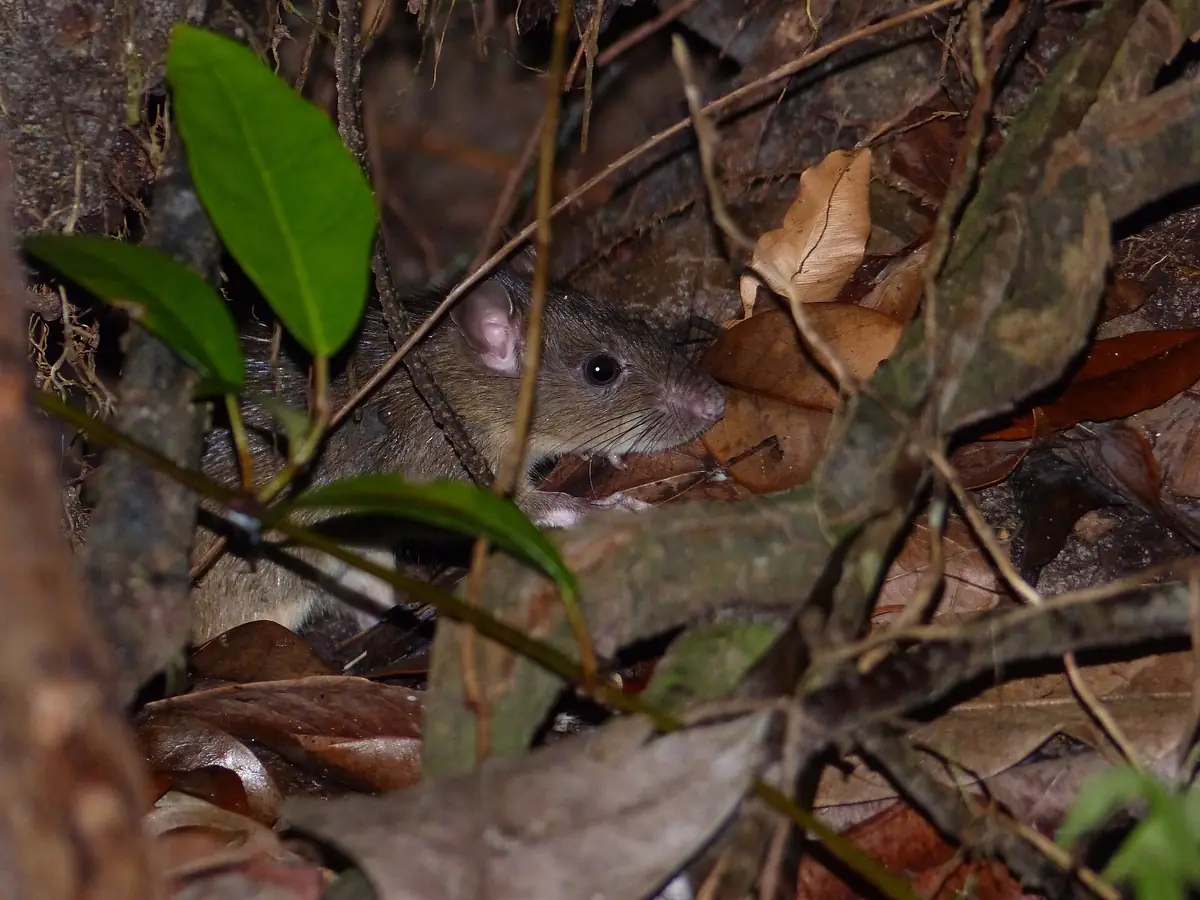
Late summer's harvest displaces the field population: rodents, spiders and insects that lived in the crops commute to the nearest structures, and the nearest structures are the field-edge neighborhoods. Roof rats move into the canopy and then the attic as nights cool; drywood termites swarm on warm fall evenings and found galleries in the eaves of houses that have never had them. This is the sealing season - vents, rooflines and foundation gaps closed before the move, not after the scratching announces it succeeded.
Fall is also the audit season: the summer's damage and evidence are read in cooling weather, swamp coolers shut down, furnaces test-fired, and the pest year's lessons converted into next year's prevention list. The valley rewards the household that treats October as January - the planning month of the pest year.
November through February, the Tule fog settles and the pest calendar turns inward. Rodents established in attics breed quietly; spiders and overwintering insects hold the wall voids; pantry pests work the holiday stores. Activity looks low from the living room and is anything but in the structure - winter is when the year's unsealed entries do their compound damage, which is why the fog months are inspection months for homes with any history.
The fog season is also the planner's gift: service schedules are open, exclusion work is pleasant, and every fix made in the damp quiet is a summer event that will not happen. The calendar's deepest truth is that Bakersfield pest control is won in the off-season - the summer merely reveals the score.
Bakersfield's pest year is paced by water deliveries as much as by temperature. When the canals run and the laterals fill in spring, mosquito breeding habitat switches on across the valley in a week; when harvest irrigation stops in fall, field pests lose both cover and moisture at once and begin the move to structures. Households near the water infrastructure live one notch higher on every pest curve in this calendar - a fact worth knowing when choosing which prevention items are optional at your address and which are structural.
The same water logic runs the ant year: summer irrigation concentrates colonies at the watered lines of houses precisely when the heat peaks their thirst. A neighborhood's ant pressure in August is, in part, a map of who waters against their foundation. The calendar's prevention lists keep returning to water because the valley's pests never stop doing so.
Longer hot seasons stretch the summer chapters: wasp colonies get more weeks to grow, mosquito seasons start earlier, and the fog - the calendar's winter hinge - has grown less reliable in recent decades. Rodent shelter-seeking still follows the cold snaps that remain. A household's dated pest log, kept across years, is the instrument that catches the drift at your own address: the first ant trail and the first attic scratching, recorded annually, will tell you your street's new normal before any almanac does.
The practical response is to hold the calendar's structure and loosen its dates: the spring walk happens when the wasps found, not on a fixed Saturday; the fall sealing when the harvest nearest you runs, not by the month printed here. The sequence is the valley's; the timing increasingly belongs to observation.
The general service's quiet advantage in the valley is rhythm. Pest populations here are not events but cycles - the Argentine colonies expanding with the heat, the roach populations riding the warm voids, the rodents arriving with harvest and fog. A service rhythm matched to those cycles keeps each population below the threshold where it becomes a household event, and the inspection at each visit re-reads the property so the rhythm follows the year as it actually unfolds, not as last year did.
That is the service side of this guide's subject. When you are ready, the Pest Control page carries the process, the coverage by area and the number to call.
Eave walk for wasp starters, foundation read for termite tubes, service rhythm started before the heat prices it up.
Irrigation off foundations, drips fixed, ant baiting live, widow stations swept - the summer defenses set in its first weeks.
Vents screened, roofline and foundation gaps closed, canopy trimmed - before harvest and fog move the field population in.
Attic checked for tenants, furnace fired, the year's evidence reviewed and next year's prevention list written while the fog holds the valley quiet.
Eave walk, foundation read, seal gaps, start the service rhythm - the year's easiest month of prevention.
Drips, irrigation arcs, condensate - the thirst map audited monthly while the colonies drink on schedule.
Vents, rooflines and gaps closed before harvest; canopy cut back off the roof in the same weekend.
One quiet inspection of the attic and crawlspace while the valley is damp - tenants found now are removals, in spring they are restorations.
The calendar in this guide is written for Bakersfield - the valley floor's version. Bakersfield's own geography writes footnotes: foothill homes at the east and the Grapevine side run cooler nights and a slightly shifted insect calendar; the river-bottom and canal-adjacent streets run heavier mosquito and wildlife lines in every month; the mountain towns of Kern - Tehachapi, the Kern River valley - compress the summer and extend the rodent winter. The structure holds everywhere; the dates breathe with altitude and water.
Newer subdivisions on converted farmland deserve their own footnote: their first years run the field's calendar at full strength - rodents, ants and spiders at densities the mature neighborhoods have moderated. A new home's first-year inspection is not anxiety; it is the land handing over its tenant list.
Professional service in the valley is essentially this calendar, industrialized: colonies baited in their hungry season, perimeters sealed before the moves, stations swept on rhythm, and records kept across years so each property's private calendar sharpens. The household that hires the rhythm is buying the calendar kept on their behalf.
Engage the professional rhythm at the calendar's hinges - the spring start and the fall seal - rather than at the summer's events. And call out-of-calendar at any confirmed sign: the calendar predicts populations, but a live finding in any month outranks the page it was not printed on.
The valley runs on schedules older than the city - heat, harvest, fog and water, turning their cast of pests like crops in rotation. A household cannot repeal the rotation, but it can farm the same calendar in reverse: walk in spring, water-watch in summer, seal in fall, audit in the fog - and meet each season's pests at the size the calendar's early pages promised.
Subterranean termites announce themselves with mud tubes and spring swarmers; drywoods with frass pellets and fall swarmers.
Read the GuideDo not move bedding or furniture between rooms before treatment - it spreads the harborage faster than any treatment can chase it.
Read the GuideAugust concentrates them: ant foraging peaks, wasp colonies are at full defensive strength, roaches breed fastest and the heat drives everything toward household water. But August's problems are mostly spring's omissions at full size - the calendar's worst month to act is the spring month you spend doing nothing.
Early spring, ahead of the ant and mosquito curves, is the valley's value window - colonies are unified and hungry, wasp nests are starter-sized, and schedules are open. Starting in July buys the same program at crisis tempo with the populations already built.
Outside, yes; inside the structure, no. The fog months hide rodent breeding, void insects and pantry work behind a quiet facade. Winter's low visibility is precisely why it is the audit season - the evidence accumulates undisturbed for anyone who goes to read it.
The swarm seasons - spring for subterraneans, fall for drywoods - are when colonies announce themselves and inspections find fresh evidence. The practical rule: any wings, tubes or frass found in any month earn a prompt inspection, but the calendar's two swarm windows are when to be looking hardest.
One call connects you with a local home-services professional serving Bakersfield - pest control and cooling help, matched to your part of the valley.