The Bakersfield Seasonal Pest Calendar: What Arrives, and When
Spring: termite swarmers, ant colonies waking, wasp queens founding, mosquitoes at first irrigation.
Read the Guide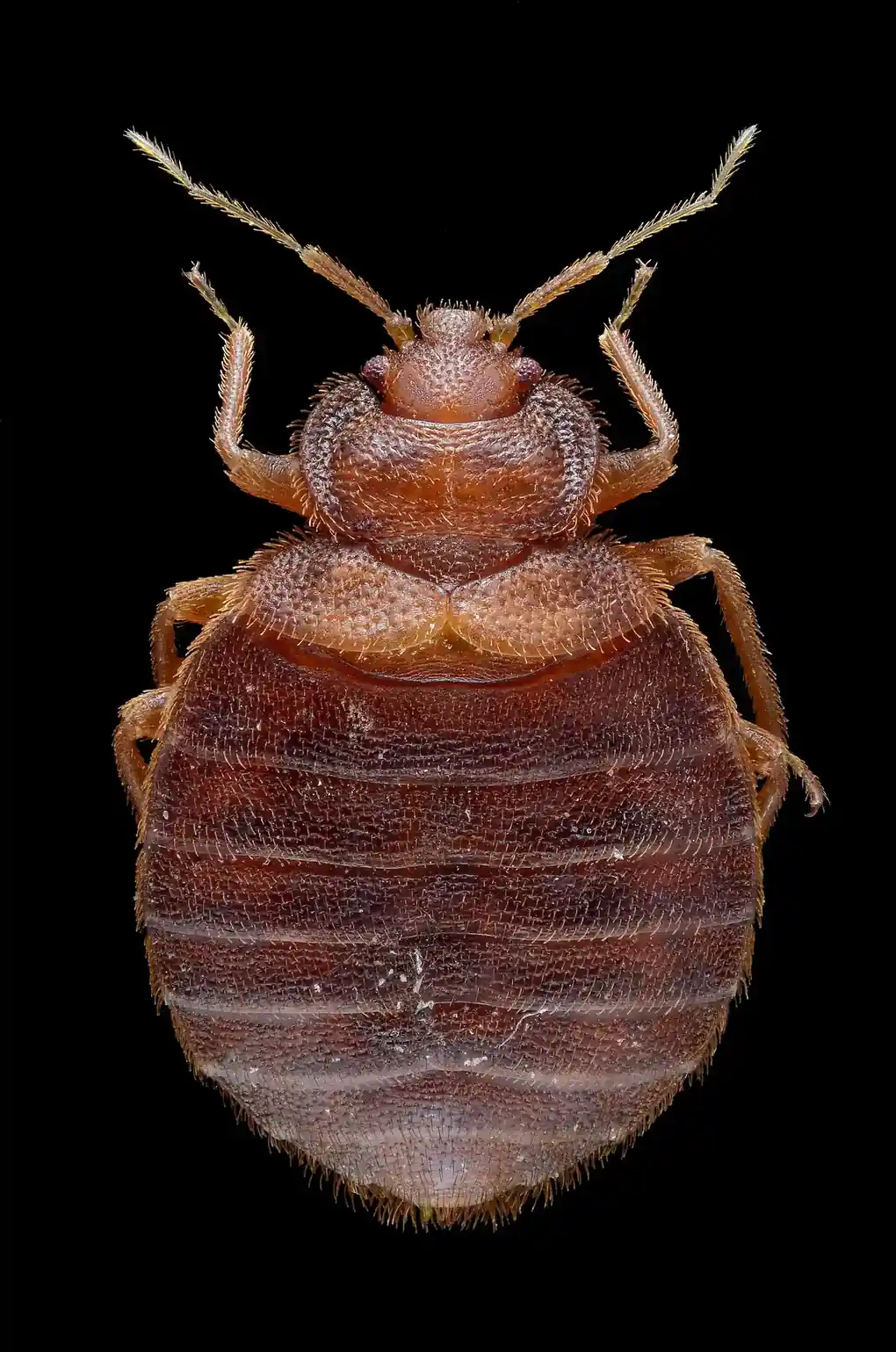
Do not move bedding or furniture between rooms before treatment - it spreads the harborage faster than any treatment can chase it.
Problem: Do not move bedding or furniture between rooms before treatment - it spreads the harborage faster than any treatment can chase it.
Solution: Hot laundering, decluttering around beds and mattress encasements do real mechanical work; foggers do the opposite.
When to call: Treatment runs in rounds matched to the egg-hatch cycle - preparation and patience between rounds are half the cure.
Bed bug treatment has a household half, and it is not ceremonial. The insect hides in seams and screw holes, its eggs survive chemistry that kills the adults, and its instinct under attack is to scatter - three facts that make the family's preparation and restraint as decisive as the technician's products. This guide is the preparation, step by step, with the reasons attached so the rules survive contact with a stressful week.
Dust runs third. Wind works the valley floor and the foothills, loading AC coils and filters with grit, driving spiders and scorpions toward shelter, and carrying the valley's own hazard - the fungus that causes valley fever lives in this soil and rides this dust, which is one more reason the region takes airborne dirt seriously. What the wind delivers, home systems must be built and serviced to handle.
The instinct to strip the bed, drag the mattress to the garage and sleep on the couch is the infestation's best ally. Bed bugs disturbed move - into the couch, the spare room, the car - and each moved item carries them. Until the inspection maps the harborage, change nothing structural: sleep in the same bed (the treatment needs the bugs where the map says they are), keep belongings in their rooms, and let the professionals' first act be reading, not chasing.
The same rule applies to throwing things away. An infested mattress at the curb is a neighborhood donation. Items genuinely beyond saving are bagged, sealed and marked before they move, on the technician's instruction - disposal is a procedure, not an impulse.
Heat kills every bed bug life stage, eggs included, and the laundry is where the household wields it. Bedding, clothing and washable items from the affected rooms are bagged in the room - sealed before transport through the house - washed hot and dried on the highest heat the fabric tolerates, for a full cycle. Clean items go into fresh sealed bags or bins and live there until the treatment concludes, not back into the drawers of an active room.
Non-washables have their own routes: the freezer for delicates over days, the hot car in a Bakersfield summer for sealed bags of the heat-proof (the valley sun is a genuine instrument here), and honest disposal for the few things that fit neither. The prep sheet from the inspection itemizes your rooms; this guide's job is to explain why the list looks the way it does.

Harborage is real estate and clutter is inventory: every box under the bed, every stack against the baseboard, is a seam-and-shadow the treatment must somehow reach. Decluttering the treatment rooms - under beds, nightstands, closets' floors - reduces the harborage and gives the technician the access the rounds require. Items are bagged and inspected as they move, or they do not move at all; decluttering done carelessly is just spreading with better intentions.
Furniture stays in place but becomes accessible: beds pulled slightly from walls, baseboards cleared, the couch's underside reachable. The bed itself gets its isolation protocol after treatment - legs in interceptor cups, bedding tucked from the floor, the frame's joints treated - turning the bed into an island the survivors cannot reach without crossing monitored water.
A quality mattress and box-spring encasement does three jobs at once: it seals the bugs inside the mattress to die on their own schedule, it removes the mattress's seams from the harborage map forever, and its smooth surface makes future inspection a glance instead of an excavation. Encasements go on at the first treatment and stay on - a year is the standard counsel - and they are the single preparation purchase no household regrets.
Pillow encasements and the bed's isolation complete the system. None of it is glamorous, and all of it is mechanical advantage: bed bugs win by hiding in complexity, and encasements delete complexity by the yard.
Treatment is sequenced against the egg: rounds spaced across the hatch window, each meeting new nymphs in treated harborage before they can breed. Between rounds the household's discipline holds the gains - encasements on, isolation maintained, laundering rhythm kept, and nothing moved between rooms. The follow-up inspection that closes the program is a verification, not a formality: traps and seams are read for the absence that ends the contract.
After clearance, the border habits begin: hotel bed checks on trips, luggage kept out of bedrooms, used furniture inspected seam by seam or declined. Bed bugs are imported, not generated - the household that learns the import routes rarely buys the program twice.
Bakersfield's climate hands households two instruments other regions lack. A sealed black bag in a car parked in full July sun reaches temperatures no bed bug stage survives - a genuine treatment route for heat-proof items like luggage, shoes and many toys, thermometer-verified where the item matters. At the other pole, a household freezer held at its coldest for several days handles delicates that heat would ruin. Both methods fail the same way when they fail: items packed so densely the center never reaches temperature or cold. Space and time are the dosage.
What neither instrument handles is furniture in place or rooms - the temptation to improvise a whole-home heat treatment with space heaters is dangerous and ineffective, because the insects retreat into wall voids beyond the heat's reach while the fire risk stays in the room. Structural heat is professional equipment with sensors and a plan; the household's heat belongs in the laundry and the driveway.
In Bakersfield rentals, bed bug response is a legal as well as entomological process: California places the duty of habitable premises on the landlord, and tenants who report promptly, in writing, with dated evidence, start that process on the strongest footing. What tenants must not do is self-treat with foggers or move infested items through common areas - both spread the problem the landlord is then obliged to solve at building scale.
Adjacent units are part of every multifamily case: inspections extend to neighbors because the insect does, and pestering a landlord for a single-unit spray in an infested building is asking for the rotation effect. The building is the patient. Households in single-family homes have the simpler version of the same truth: every room is a unit, and the program treats the floor plan, not the bed.
The follow-up structure deserves its own paragraph because it is where bed bug work is usually underbought. Eggs laid the day of the first treatment hatch across the following weeks; the rounds are spaced to meet each hatch with treated harborage and fresh inspection. Skipping the later rounds to save money is buying the first act of a three-act play - the insect's biology does not negotiate the schedule, and the proposal you receive prices the whole biology, not the first visit.
That is the service side of this guide's subject. When you are ready, the Bed Bug Treatment page carries the process, the coverage by area and the number to call.
Laundry and disposables are sealed inside the affected room before any transport - the bag is the border.
Full heat cycles for washables; clean goods live in sealed bags or bins until clearance, not back in active drawers.
Under beds, baseboard lines and nightstands cleared - bagged and inspected as they move, or left for the technician's sequence.
Mattress and box spring sealed, bed legs in interceptors, bedding off the floor - and the system left intact through every round.
Every bag closed in the affected room - laundry, clutter, disposables. Nothing crosses the house open.
Hot wash, hottest safe dry, full cycle - then into fresh sealed storage until clearance, not back into drawers.
Under-bed storage out, baseboards bare, nightstand cleared - the room reduced to what treatment can reach.
Encasements on, legs in interceptors, bedding tucked off the floor - the bed becomes monitored ground from round one.
Two situations in Bakersfield deserve explicit scope notes. The first is travel-heavy households - trucking, agriculture's seasonal moves, students returning: their reintroduction rate is structural, and the post-clearance border habits are not paranoia but the household's actual risk management, worth the same seriousness as the treatment itself. The second is the single-room discovery caught within days: its scope is genuinely smaller, and any program quoting it the whole-house price without an inspection map is selling the map it skipped.
For landlords and managers, the scope note is documentation: units inspected, findings per unit, rounds and dates, preparation compliance - the file that answers tenants, housing processes and future buyers in one voice. Ask for it by name; programs that keep it produce it without friction.
The professional program's edge is the map and the rounds: harborage found beyond the bed's obvious seams, chemistry placed in voids households should not open, and the hatch-cycle schedule held across weeks with verification at the end. Preparation is the household's half precisely because the other half - the mapped, sequenced treatment - is not a product but a campaign.
Call at the confirmed sign - a live bug, seam evidence - and before any fogger, mattress drag or room change. The inspection is simplest, and the program shortest, in the week the harborage is still one room deep. Every week of improvisation is a week the map grows.
Bed bugs test a household's process more than its cleanliness: the families that beat them quickly are the ones who sealed, heated, decluttered and then waited out the egg's calendar without improvising. Do the preparation like it matters - because in this one pest program, the household's half is quite literally half the cure.
Spring: termite swarmers, ant colonies waking, wasp queens founding, mosquitoes at first irrigation.
Read the GuideSubterranean termites announce themselves with mud tubes and spring swarmers; drywoods with frass pellets and fall swarmers.
Read the GuideStay in the bed if you possibly can. Moving your sleeping moves the bugs' feeding target and spreads the harborage to the couch or spare room. The treated bed, isolated and encased, is designed to be slept in - that is what draws survivors across the treated ground.
Almost never as a first move. Encasement seals the mattress's population in and future ones out, and the frame and room hold most of the colony anyway. Disposal is for pieces the inspection judges beyond treatment - and then it is bagged, marked and handled as a procedure.
They actively harm the program: foggers scatter bed bugs into wall voids and adjacent rooms while killing almost none in harborage. Cancel the fogger plan, and tell the technician if one was already used - the map needs to know the bugs were pushed.
Clearance follows the rounds and a verification inspection - typically a matter of weeks from the first treatment, set by the egg-hatch cycle and the infestation's extent. The verification's evidence standard is zero live activity across traps and seams, not a feeling.
One call connects you with a local home-services professional serving Bakersfield - pest control and cooling help, matched to your part of the valley.