Swamp Cooler Service & Conversion Through the Bakersfield Year
Bakersfield winters are Tule fog and cold nights. The fog sits on the valley floor for days at a time, damp penetrating every crawlspace and wall void, while rodents, spiders and overwintering insects settle into the warm structure of houses. Heating systems that sat idle since spring get their first real calls, and pest work turns inward: the attic, the garage, the voids.
Fall is harvest and repair season together. The last grape and almond work pushes rodents out of the fields and toward homes, the heat finally lets go, and the weather turns calm - the right weeks to fix what summer exposed, seal the gaps the winter fog will test, and service the heating before the first cold, damp night arrives.
Spring is the valley's wake-up season. Ants march as the soil warms, termite colonies swarm on the warm calm days after rain, and the first hot afternoons wake cooling systems from their fog-season idle. A spring service visit - pest inspection outside, AC check before the heat commits - is the most valuable appointment on the Bakersfield calendar.
Swamp Cooler Service & Conversion in Depth
Water management has a chemistry footnote the valley insists on: as sump water concentrates minerals, it also concentrates whatever the pads have filtered from the air - the sump is a soup the bleed-off exists to dilute. Households sensitive to the musty start-up smell are usually meeting last shutdown's omission. The seasonal services, done in order and on time, keep the machine's water younger than its smell.
The hybrid pattern deserves its due as the valley's pragmatic masterpiece: swamp cooling for the long dry shoulder, refrigerated zones for the bedrooms and the worst weeks, each system doing the hours it is best at. Properties running hybrids often spend less annually than either pure system while suffering fewer bad nights than the cooler alone ever allowed. The conversion assessment prices the hybrid beside the full conversion because for many houses it is the right answer.
Choosing the Right Help
Choose cooler service that treats the water as the machine - pan, pump, pads and mineral budget in one scope. And when the conversion question comes, choose the assessment that prices the hybrid honestly beside the full change; the valley's best answer is often the staged one.
The Climate Behind It
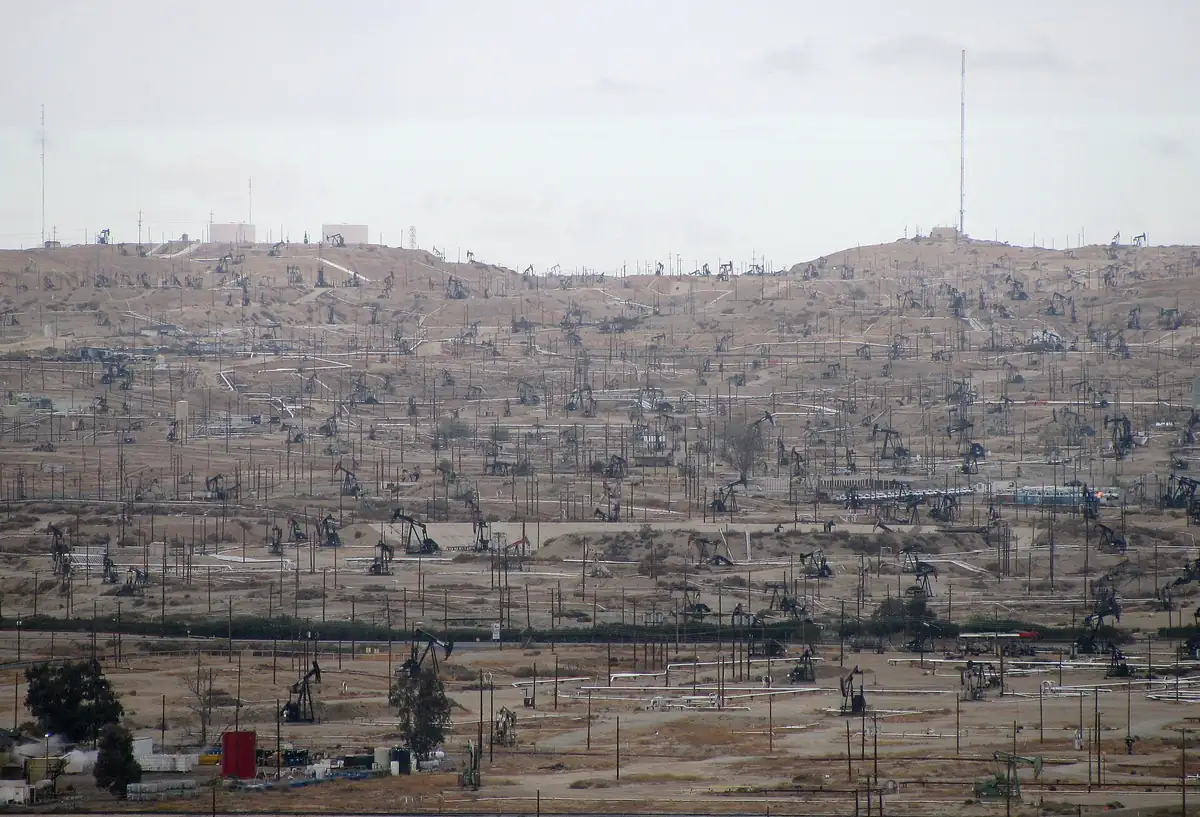
Bakersfield sits at the south end of the San Joaquin Valley, where the Sierra Nevada, the Tehachapis and the Coast Ranges close around the valley floor - and the geography sets the terms for every home system in the city. Summer is the headline: afternoons pass 100 degrees for weeks at a stretch, roofs and outdoor units bake all day, and air conditioners here log run-hours that mild-climate equipment never sees.
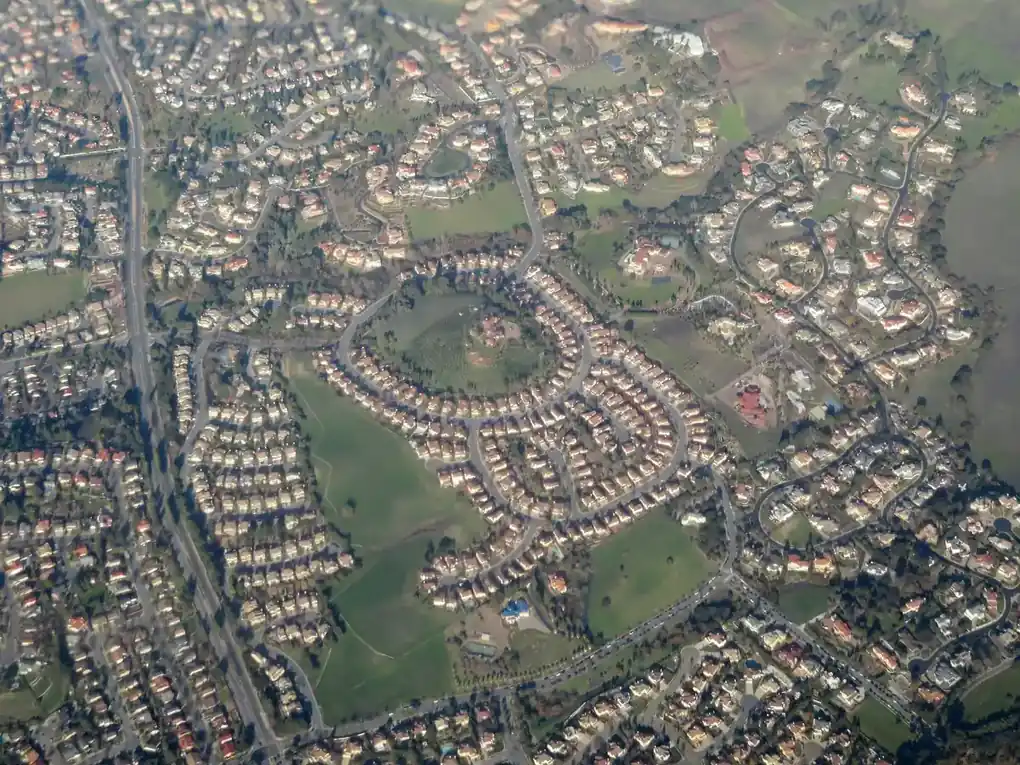
Agriculture is the second force. Almonds, grapes, citrus, carrots and cotton work right up to the subdivision fences, and the fields send their residents visiting - rodents at harvest, ants and crickets in season, mosquitoes off the irrigation canals, and pantry pests wherever grain and feed are stored. A Bakersfield home is never as separate from the farm as its fence suggests.
How Swamp Cooler Service & Conversion Works
Spring start-up: clean water, sound pads, true water path
Pan scrubbed, sump flushed, pads replaced or verified, pump and float tested, distribution lines cleared - the machine starts the season as a system, not a hope.
In-season service against scale and wear
Bleed and dump function checked, pad saturation read, belt and bearings serviced - the mineral budget kept balanced while the hours accumulate.
Fall shutdown: drained, dried, covered
Water drained from pan and lines before the fog season, the unit cleaned and covered - shutdown done right is next spring's head start and the pan's rust defense.
The conversion assessment, when asked
Ducts, electrical, roof and zones read as one design question, with the hybrid options priced beside the full conversion - the household decides with the whole map.
Doing It Yourself vs a Professional
The DIY Route
- Running last year's scaled pads 'one more season' while paying for the air they cannot cool
- Sealing a perforated pan with hope and mastic and learning about it from the ceiling
- Converting by swapping the box for a condenser on the same small ducts - refrigeration cannot breathe through evaporation's ductwork
VS
The Professional Route
- Reads the water path whole - pan, pump, float, distribution - because that is the machine
- Runs the mineral budget honestly: pads and water judged by condition and scale, not ritual
- Gives the conversion answer as engineering - ducts, electrical, zones - not as a sales close
Keep It From Coming Back
Swamp cooler care is water care: the habits below are the mineral budget and the rust defense, done by the household between services.
- Dump and refresh the sump water on the bleed schedule - minerals concentrate every day the water recirculates.
- Replace pads on their condition, not their birthday: scaled pads are a cooling tax you pay hourly.
- Watch the roof after the first start-up week - new leaks announce themselves while the season is young.
- Keep the bleed-off line draining where it should; it is the mineral budget's exit door.
- Run the pump a few minutes before the blower on hot starts - wet pads first, then air, is the correct sequence.
- At shutdown, drain everything; a cooler left wet through the fog season rusts on schedule.