Ant Control Through the Bakersfield Year
Bakersfield winters are Tule fog and cold nights. The fog sits on the valley floor for days at a time, damp penetrating every crawlspace and wall void, while rodents, spiders and overwintering insects settle into the warm structure of houses. Heating systems that sat idle since spring get their first real calls, and pest work turns inward: the attic, the garage, the voids.
Fall is harvest and repair season together. The last grape and almond work pushes rodents out of the fields and toward homes, the heat finally lets go, and the weather turns calm - the right weeks to fix what summer exposed, seal the gaps the winter fog will test, and service the heating before the first cold, damp night arrives.
Summer is the proving season. Weeks of 100-degree afternoons run air conditioners near-continuously, cockroaches and ants press indoors hunting water, and roof rats commute through the shade trees at night. Harvest begins in the fields, and field rodents start their annual move toward houses, sheds and stored feed. Everything a home system does, it does at full load now.
Ant Control in Depth
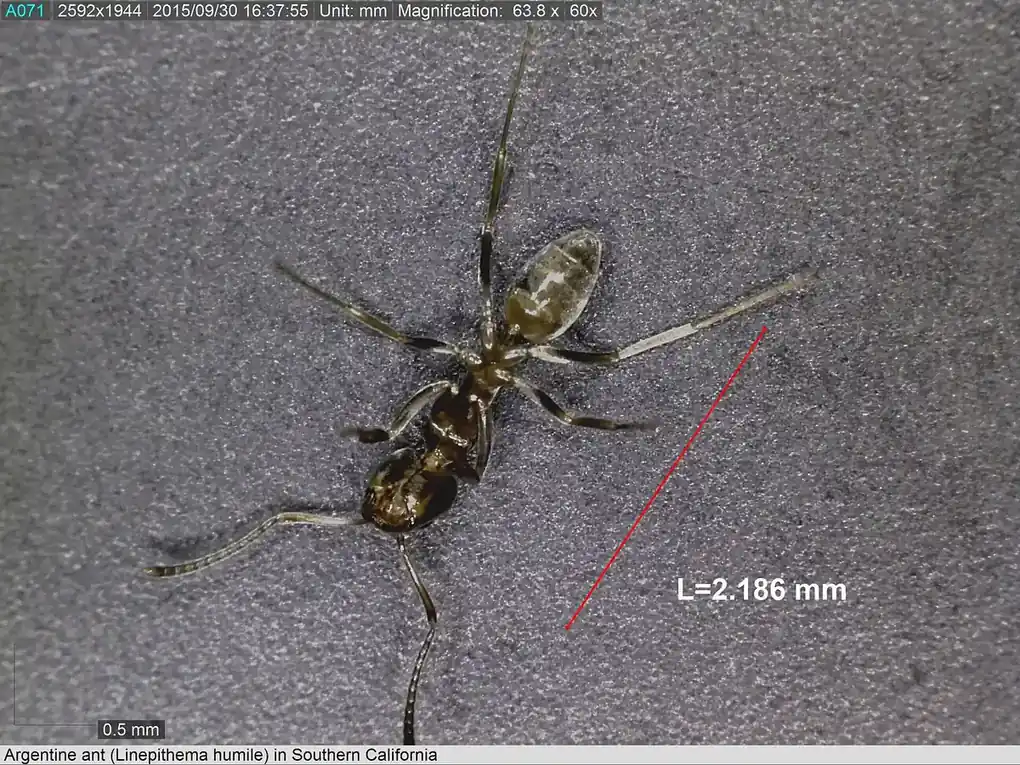
Bait science is the deep chapter of Argentine control: the bait must be attractive enough to compete with the season's natural forage, slow enough that foragers survive to share it through the colony's food exchange, and refreshed across the weeks the transfer takes. Sweet baits in the feeding season, protein baits when the colony is building brood - the technician's bait choice reads the colony's appetite the way the inspection read its trails.
The perimeter's role completes the picture: outdoor colonies under slabs, in planter soil and along irrigation lines are the reservoirs that indoor baiting drains. A program that baits both maps - the colony's indoor thirst routes and its outdoor body - collapses the population; one that treats only the kitchen trail negotiates with a supercolony one faucet at a time.
Choosing the Right Help
Choose bait-based colony control for Argentine ants and refuse the spray-first offer, however satisfying the dead trail looks. The colony is the customer; the workers are its delivery fleet. Any plan that kills the fleet before it delivers has the logistics exactly backwards.
The Climate Behind It
Bakersfield sits at the south end of the San Joaquin Valley, where the Sierra Nevada, the Tehachapis and the Coast Ranges close around the valley floor - and the geography sets the terms for every home system in the city. Summer is the headline: afternoons pass 100 degrees for weeks at a stretch, roofs and outdoor units bake all day, and air conditioners here log run-hours that mild-climate equipment never sees.
Agriculture is the second force. Almonds, grapes, citrus, carrots and cotton work right up to the subdivision fences, and the fields send their residents visiting - rodents at harvest, ants and crickets in season, mosquitoes off the irrigation canals, and pantry pests wherever grain and feed are stored. A Bakersfield home is never as separate from the farm as its fence suggests.
How Ant Control Works
Identify the species and map the trails
Argentine, carpenter, pavement, odorous or fire ant - the species decides bait, placement and strategy. Trails are followed to their entry points and outdoor routes.
Bait the colony through its workers
Slow, transferable baits the foragers carry home and share - the colony, queens included, is treated by its own supply chain over days, not minutes.
Treat the perimeter and the routes
Foundation lines, entry points and the outdoor highways get targeted work so the pressure outside stops refilling the inside.
Cut the water and food logistics
Drips fixed, irrigation pulled off the foundation, food and pet bowls managed - the conditions that made your house the colony's oasis are named and reduced.
Doing It Yourself vs a Professional
The DIY Route
- Repellent sprays on the trail - the colony buds, and five trails replace the one
- Killing every ant you can see while the foragers you miss carry nothing home - bait works only if the workers live to deliver it
- Store-bought bait stations placed beside a sprayed trail, so the ants never reach them alive
VS
The Professional Route
- Identifies the species first - Argentine strategy is poison to fire ant strategy and useless on carpenter ants
- Uses the workers as the delivery system, so the queens die with the colony
- Works the outdoor colony and the indoor trail as one system on one map
Keep It From Coming Back
Ant prevention is water discipline and gap discipline. The colony outside is permanent; the habits below decide whether your house is on its route map or off it.
- Keep irrigation and sprinklers from wetting the foundation - dry perimeters starve the colony's map.
- Fix faucet, hose-bib and AC condensate drips the week you find them.
- Seal the caulk-width gaps at pipes, windows and door thresholds.
- Keep tree branches and shrubs off the house - ant highways are made of contact.
- Wipe kitchen trails with soapy water to erase the scent road while bait works.
- Store sweets, pet food and pantry goods sealed; feed pets and clean the bowl area daily in summer.