Flea & Tick Control Through the Bakersfield Year
Bakersfield winters are Tule fog and cold nights. The fog sits on the valley floor for days at a time, damp penetrating every crawlspace and wall void, while rodents, spiders and overwintering insects settle into the warm structure of houses. Heating systems that sat idle since spring get their first real calls, and pest work turns inward: the attic, the garage, the voids.
Summer is the proving season. Weeks of 100-degree afternoons run air conditioners near-continuously, cockroaches and ants press indoors hunting water, and roof rats commute through the shade trees at night. Harvest begins in the fields, and field rodents start their annual move toward houses, sheds and stored feed. Everything a home system does, it does at full load now.
Fall is harvest and repair season together. The last grape and almond work pushes rodents out of the fields and toward homes, the heat finally lets go, and the weather turns calm - the right weeks to fix what summer exposed, seal the gaps the winter fog will test, and service the heating before the first cold, damp night arrives.
Flea & Tick Control in Depth
The pupa bank is the concept that makes flea programs finally make sense to households: at any moment in an infested home, the pupae in the floors may outnumber every other stage combined, and they are functionally armor-plated against chemistry. The program's patience - growth regulation down, vacuuming to force hatches into treated ground, follow-ups across the emergence window - is not delay; it is the only sequence the insect's own armor permits.
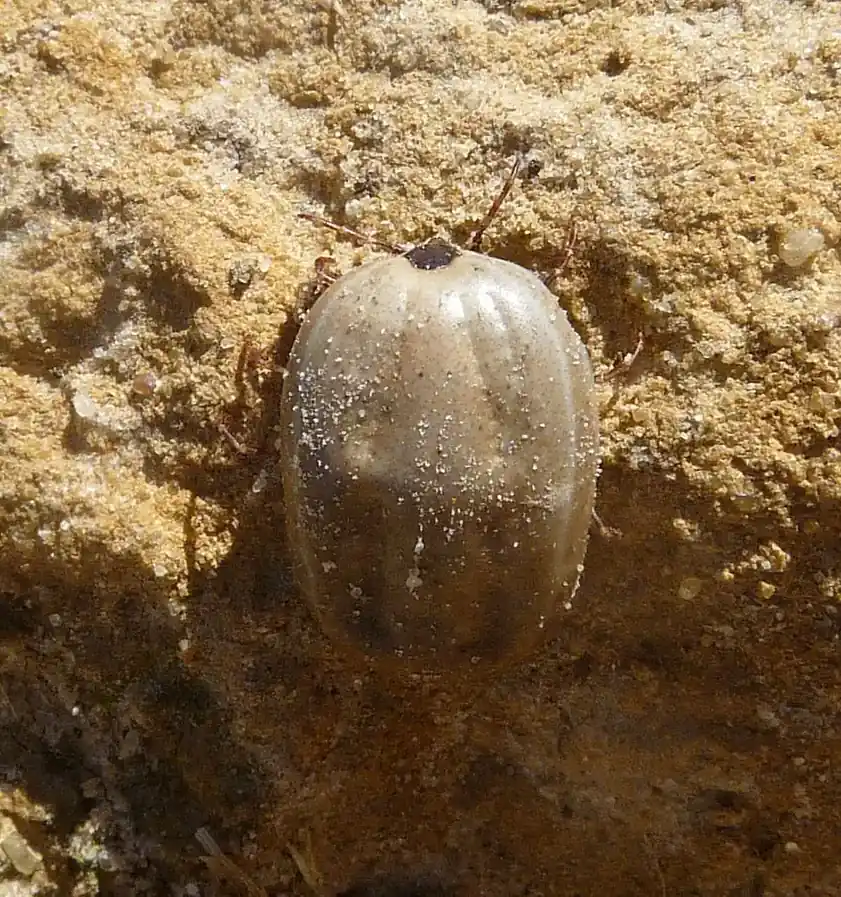
Brown dog ticks reward an equally specific respect: they hide off-host in cracks near the dog's bed for months between meals, climb walls and kennel frames, and can persist in a structure through a change of pets. Kennel and garage treatment therefore includes the vertical cracks and the resting architecture in detail - a tick program that treats only floors has read half the species' address.
Choosing the Right Help
Choose the program that treats pet and property as one patient and prices the pupa bank into its rounds. A flea quote that omits the follow-ups is the expensive one - by the second purchase of it.
The Climate Behind It
Bakersfield sits at the south end of the San Joaquin Valley, where the Sierra Nevada, the Tehachapis and the Coast Ranges close around the valley floor - and the geography sets the terms for every home system in the city. Summer is the headline: afternoons pass 100 degrees for weeks at a stretch, roofs and outdoor units bake all day, and air conditioners here log run-hours that mild-climate equipment never sees.
Agriculture is the second force. Almonds, grapes, citrus, carrots and cotton work right up to the subdivision fences, and the fields send their residents visiting - rodents at harvest, ants and crickets in season, mosquitoes off the irrigation canals, and pantry pests wherever grain and feed are stored. A Bakersfield home is never as separate from the farm as its fence suggests.
How Flea & Tick Control Works
Identify the parasite and map the pet's world
Flea or brown dog tick - and the resting places, runs, routes and rooms where the cycle lives. The map follows the dog, not the floor plan.
Treat the environment on the cycle's schedule
Interior harborage and yard shade zones treated with adulticide and growth regulation together - the growth regulator is what stops the next three generations, not just today's biters.
Coordinate with the pet's treatment
The animal's own product - your veterinarian's call - must run on its schedule in parallel. Property and pet treated together is the whole strategy; either alone is half.
Vacuum protocol and follow-up
Vibration hatches pupae into the treated field - the vacuuming rhythm is prescribed like medicine - and follow-up visits verify the cycle has actually broken.
Doing It Yourself vs a Professional
The DIY Route
- Treating the pet alone while the floor's pupae hatch for the next two months
- A flea bomb that never reaches the larvae deep in the carpet or the pupae in the cracks - the two stages that matter
- Spraying the yard's sunny middle while the cycle lives in the shaded run by the fence
VS
The Professional Route
- Treats the life cycle - egg, larva, pupa and adult - not just the biters on the pet
- Pairs environmental treatment with the pet's own product as one coordinated program
- Maps ticks to the dog's resting architecture, where brown dog ticks actually live
Keep It From Coming Back
Flea and tick prevention runs on the pet's calendar and the yard's shade: the habits below keep the environmental cycle from ever assembling itself.
- Keep the pet's veterinarian-advised flea and tick treatment current, all season, without gaps.
- Wash pet bedding hot weekly during flea season; the bed is the cycle's capital.
- Vacuum carpets and pet areas frequently and empty the vacuum outside - it is a treatment step, not housekeeping.
- Keep yard shade zones dry-ish and clear; leaf litter and damp debris are larval habitat.
- Mow and clear the yard's brush edges; ticks wait at the tops of grass and litter for a host to pass.
- Inspect the dog after canal, field and brush walks, especially ears, neck and between toes.