Mosquito Control Through the Bakersfield Year
Spring is the valley's wake-up season. Ants march as the soil warms, termite colonies swarm on the warm calm days after rain, and the first hot afternoons wake cooling systems from their fog-season idle. A spring service visit - pest inspection outside, AC check before the heat commits - is the most valuable appointment on the Bakersfield calendar.
Summer is the proving season. Weeks of 100-degree afternoons run air conditioners near-continuously, cockroaches and ants press indoors hunting water, and roof rats commute through the shade trees at night. Harvest begins in the fields, and field rodents start their annual move toward houses, sheds and stored feed. Everything a home system does, it does at full load now.
Fall is harvest and repair season together. The last grape and almond work pushes rodents out of the fields and toward homes, the heat finally lets go, and the weather turns calm - the right weeks to fix what summer exposed, seal the gaps the winter fog will test, and service the heating before the first cold, damp night arrives.
Mosquito Control in Depth
The district relationship deserves clarity: Kern County's mosquito and vector control apparatus treats public water, responds to service requests and tracks virus activity in the mosquito population - and it publishes the green-pool and standing-water reporting channels every household should use. A property program that ignores the district wastes a free ally; the inspection's report notes the nearby public sources worth reporting so the two efforts interlock.
Expectations, finally, are part of the treatment: beside live canal water, a yard program delivers a livable yard, not a mosquito-free acre of valley. The measure that matters is the evening test - the porch at dusk in July - and the program is tuned against it, source by source and barrier by barrier, until the yard passes.
Choosing the Right Help
Choose the program that starts at your water map. Sprays alone rent an evening; source elimination owns the season. Ask any provider what they do about larvae and resting cover - the answer separates mosquito control from mosquito theater.
The Climate Behind It
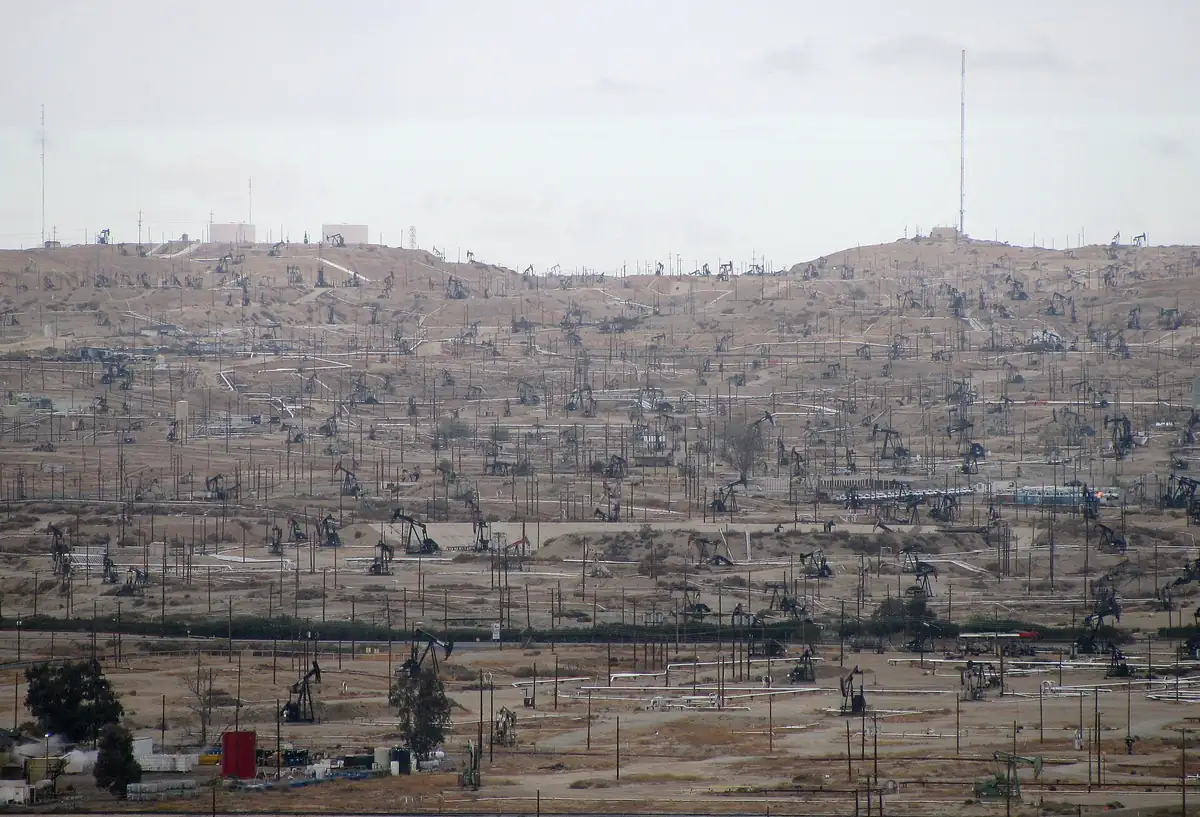
Bakersfield sits at the south end of the San Joaquin Valley, where the Sierra Nevada, the Tehachapis and the Coast Ranges close around the valley floor - and the geography sets the terms for every home system in the city. Summer is the headline: afternoons pass 100 degrees for weeks at a stretch, roofs and outdoor units bake all day, and air conditioners here log run-hours that mild-climate equipment never sees.
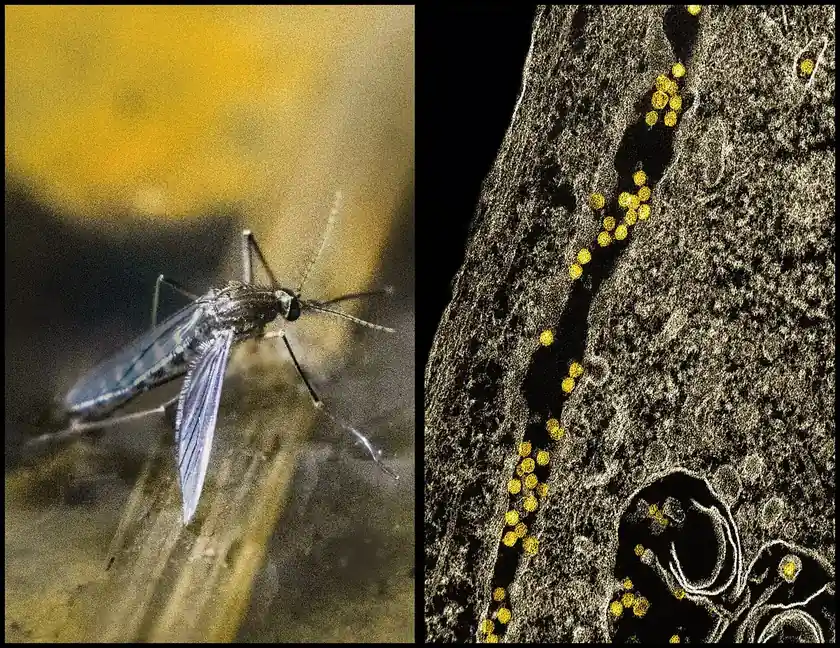
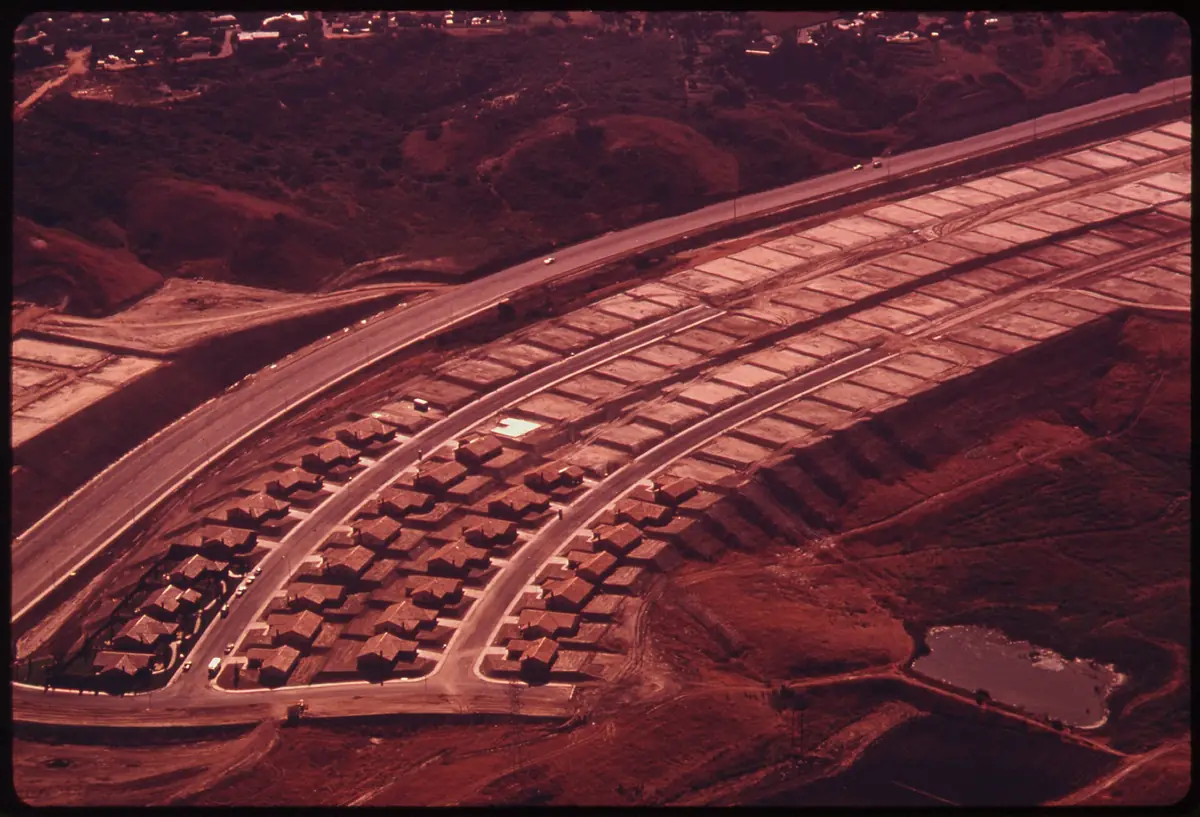
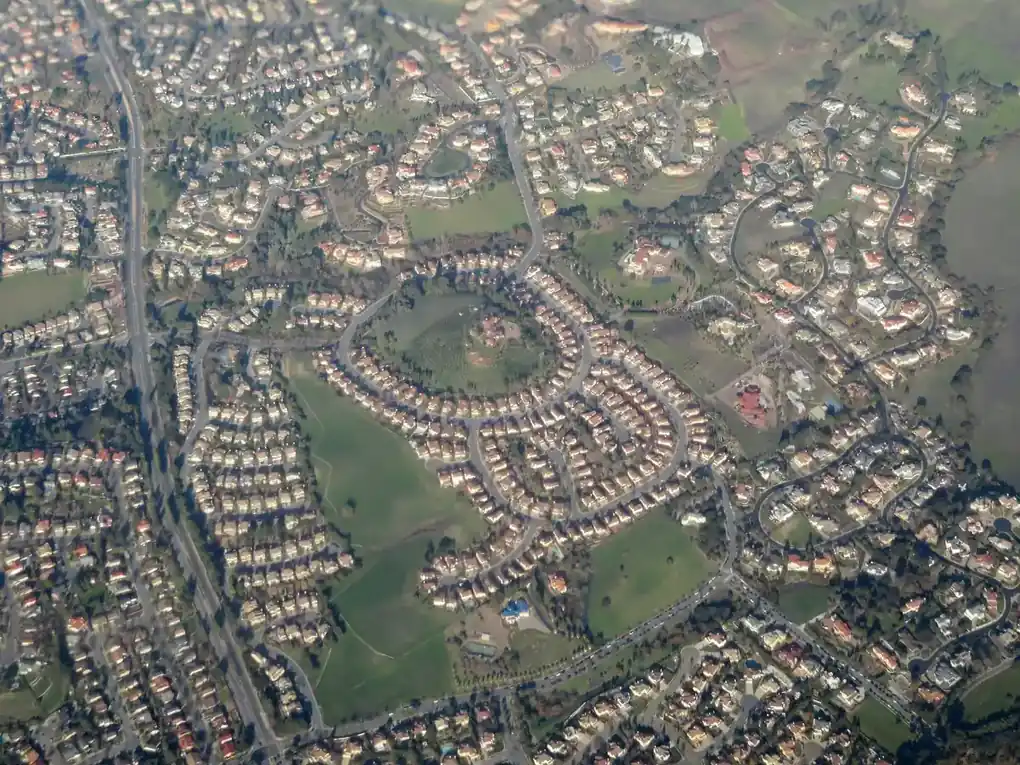
Agriculture is the second force. Almonds, grapes, citrus, carrots and cotton work right up to the subdivision fences, and the fields send their residents visiting - rodents at harvest, ants and crickets in season, mosquitoes off the irrigation canals, and pantry pests wherever grain and feed are stored. A Bakersfield home is never as separate from the farm as its fence suggests.
How Mosquito Control Works
Map the water first
Every standing source on the property - containers, drains, ponds, pool condition, low ground - is found and classified: eliminate, treat or monitor.
Eliminate and treat the breeding
Containers dumped or removed, drains and permanent water treated with larvicide where elimination is impossible - the cycle is broken at the egg and larva, not chased at the adult.
Barrier the resting cover
Shrubs, eaves and shaded walls where adults rest by day are treated so the yard's evenings are reclaimed even when district water nearby keeps producing.
Set the seasonal rhythm
Mosquito pressure follows the water calendar; service timing follows it too - spring start-up, mid-summer reinforcement, and the source check after every new water feature or storm.
Doing It Yourself vs a Professional
The DIY Route
- A bug zapper as the program - it harvests moths and beetles while mosquitoes, which hunt by breath and scent, ignore it
- Fogging the yard the afternoon of a party while the breeding source in the drain keeps producing on schedule
- Candles and bracelets as the defense for a yard with a larval source in it
VS
The Professional Route
- Starts at the water - the breeding map decides the treatment, not the other way around
- Treats larvae where adults are born and adults where they rest, as one program
- Times service to the irrigation and heat calendar that drives the valley's mosquito pressure
Keep It From Coming Back
Mosquito prevention is a weekly ten minutes with a bucket list - literally: the sources below are eliminated by household habit faster than any service can visit them.
- Dump or drain every container weekly - buckets, trays, toys, tarps. The cycle is seven days; beat it at six.
- Keep drains and gutters flowing; a clogged drain is a private canal.
- Maintain pools - a running, treated pool is safe; a neglected one breeds for the block.
- Stock ornamental ponds or treat them; still decorative water is a nursery with landscaping.
- Report green pools and standing public water to the county abatement district - they treat what households cannot.
- Screen rain barrels and seal cisterns and septic lids tight.