Pest Inspection Through the Bakersfield Year
Spring is the valley's wake-up season. Ants march as the soil warms, termite colonies swarm on the warm calm days after rain, and the first hot afternoons wake cooling systems from their fog-season idle. A spring service visit - pest inspection outside, AC check before the heat commits - is the most valuable appointment on the Bakersfield calendar.
Summer is the proving season. Weeks of 100-degree afternoons run air conditioners near-continuously, cockroaches and ants press indoors hunting water, and roof rats commute through the shade trees at night. Harvest begins in the fields, and field rodents start their annual move toward houses, sheds and stored feed. Everything a home system does, it does at full load now.
Bakersfield winters are Tule fog and cold nights. The fog sits on the valley floor for days at a time, damp penetrating every crawlspace and wall void, while rodents, spiders and overwintering insects settle into the warm structure of houses. Heating systems that sat idle since spring get their first real calls, and pest work turns inward: the attic, the garage, the voids.
Pest Inspection in Depth
The inspection's method has a discipline worth naming: evidence is photographed and located on the property's map, freshness is judged by specific signs - droppings' sheen, web dust, carcass state, frass color - and conclusions are stated with their confidence. A report that says 'rodent activity, attic, current' has earned each of those words separately, and the difference between that and a sales walk-through is the entire product.
Properties at the field and canal edges benefit most from the standing rhythm, because their pressure is structural - the land sends its cast on schedule forever. For those homes the inspection becomes a seasonal instrument reading: entries still sealed, stations still empty, conditions still worked. It is the smallest line in the property's whole pest budget, and the one that makes every other line smaller.
Choosing the Right Help
Choose the inspection whenever the decision is bigger than the symptom - a purchase, a recurrence, a dispute, a season's planning. It is the only service on this page that sells nothing after itself, which is exactly why its map can be trusted to aim the ones that do.
The Climate Behind It
Bakersfield sits at the south end of the San Joaquin Valley, where the Sierra Nevada, the Tehachapis and the Coast Ranges close around the valley floor - and the geography sets the terms for every home system in the city. Summer is the headline: afternoons pass 100 degrees for weeks at a stretch, roofs and outdoor units bake all day, and air conditioners here log run-hours that mild-climate equipment never sees.
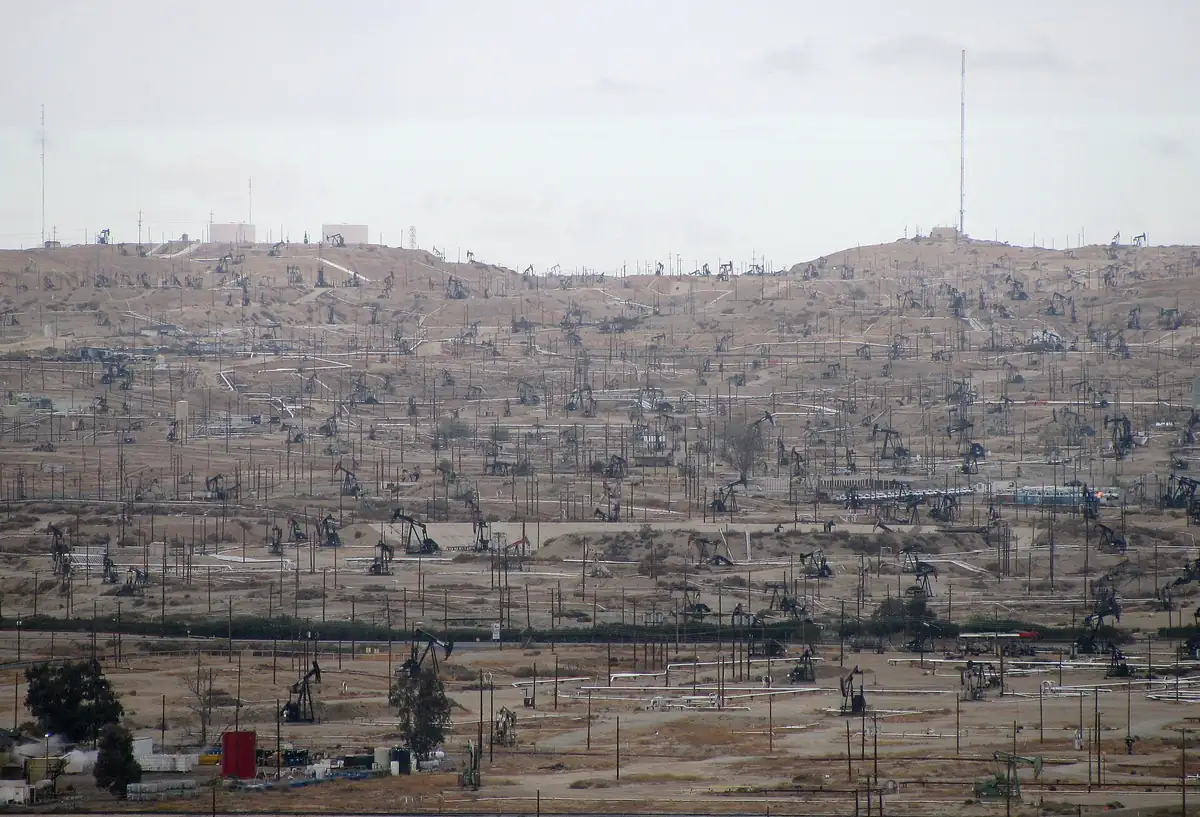
Agriculture is the second force. Almonds, grapes, citrus, carrots and cotton work right up to the subdivision fences, and the fields send their residents visiting - rodents at harvest, ants and crickets in season, mosquitoes off the irrigation canals, and pantry pests wherever grain and feed are stored. A Bakersfield home is never as separate from the farm as its fence suggests.
How Pest Inspection Works
Walk the exterior and the pressure lines
Field edge, canal side, irrigation, fences and tree contact - the outside-in read starts with what the land sends the house.
Perimeter, garage and entry audit
Gaps, vents, door sweeps, weep holes and the garage's stations are checked and listed - the entry inventory is the inspection's backbone.
Interior and void inspection
Attic, crawlspace where present, under-sink and appliance voids, pantry and storage - activity and evidence read room by room.
Written report and the decision map
Findings classified - active, historic, conducive - with the treatment, repair and prevention each calls for, in priority order. The report is yours to act on with anyone.
Doing It Yourself vs a Professional
The DIY Route
- The flashlight tour that never enters the attic, crawlspace or garage corners where the evidence lives
- Reading old droppings as an active infestation - or fresh ones as old - without the dating signs
- Treating first and inspecting never, so the entry points that caused it stay open for the sequel
VS
The Professional Route
- Reads the property in zones and layers - activity, entries, conditions - as one written map
- Separates active from historic evidence before any recommendation is made
- Reports findings you can act on with any provider, or none - the map is the product
Keep It From Coming Back
Between professional reads, the household is the sensor network. The habits below keep evidence visible and conditions honest, so problems are caught at the finding stage.
- Keep attic and crawlspace access clear year-round - inspections fail at blocked hatches.
- Log signs with dates and photos between inspections; fresh evidence located is half the visit.
- Work the conditions list from your last report before the next one - moisture and gaps first.
- Keep the garage's walls reachable; stored clutter against walls hides the stations inspectors need to read.
- Note construction and neighbor events - new builds, vacant houses, harvested fields all change your pressure.
- Re-inspect on the valley's rhythm: after harvest, before fog season, and at any transaction.