Wasp nest Removal Through the Bakersfield Year
Fall is harvest and repair season together. The last grape and almond work pushes rodents out of the fields and toward homes, the heat finally lets go, and the weather turns calm - the right weeks to fix what summer exposed, seal the gaps the winter fog will test, and service the heating before the first cold, damp night arrives.
Bakersfield winters are Tule fog and cold nights. The fog sits on the valley floor for days at a time, damp penetrating every crawlspace and wall void, while rodents, spiders and overwintering insects settle into the warm structure of houses. Heating systems that sat idle since spring get their first real calls, and pest work turns inward: the attic, the garage, the voids.
Spring is the valley's wake-up season. Ants march as the soil warms, termite colonies swarm on the warm calm days after rain, and the first hot afternoons wake cooling systems from their fog-season idle. A spring service visit - pest inspection outside, AC check before the heat commits - is the most valuable appointment on the Bakersfield calendar.
Wasp nest Removal in Depth
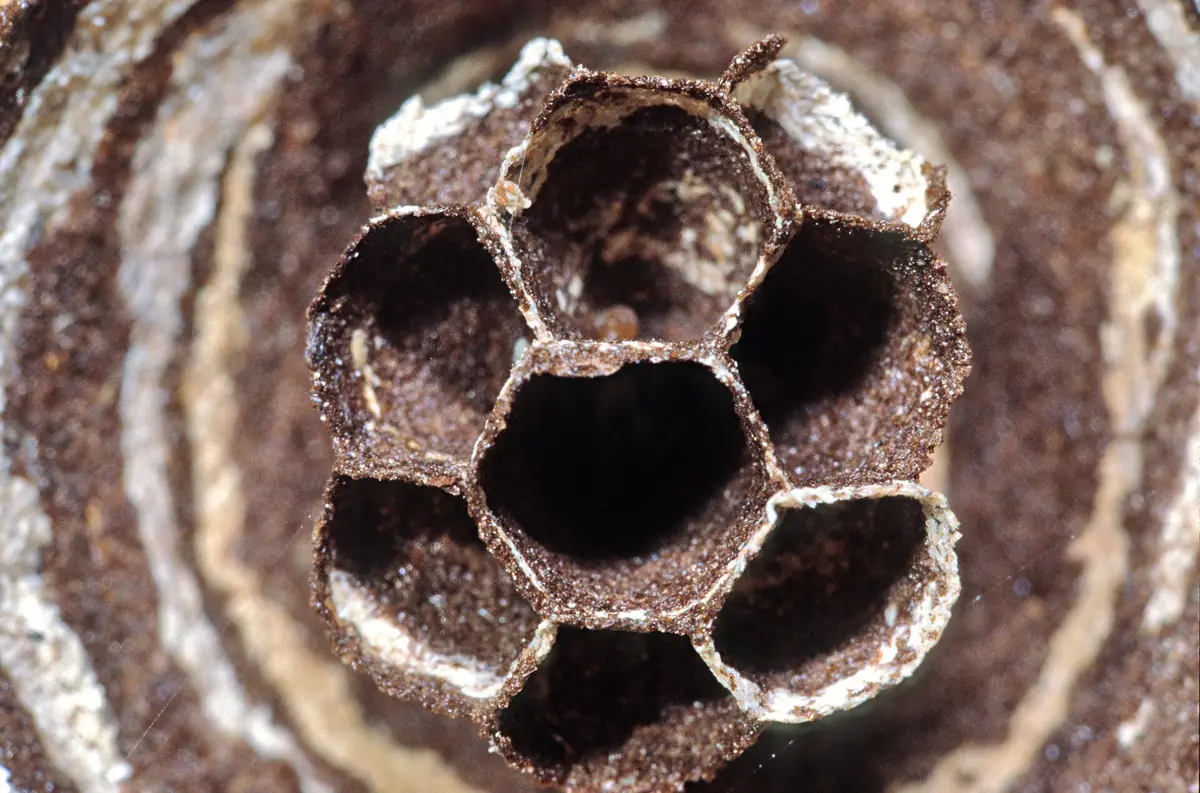
Void colonies earn their own paragraph because they are the wasp job most often done wrong. A yellowjacket colony inside a wall grows into the thousands by late summer, and its debris and moisture can stain ceilings and recruit carpet beetles and other secondary pests for years. Extraction - opening, removing colony and debris, sealing - is slower than a spray at the entry hole, and it is the difference between solving the colony and inheriting its attic legacy.
Spring queens are the leverage point the prevention list keeps mentioning: every colony removed as a founding nest in May is a thousand-wasp problem that never files its August paperwork. The eave walk costs a household ten minutes with a flashlight; it is the highest-value ten minutes in the valley's pest calendar, and the removal visit ends with the household knowing how to spend it.
Choosing the Right Help
Choose removal that takes the colony with the nest and closes the site after. And let the identification be free: if the 'wasps' are mud daubers, the honest charge is for the advice that they are harmless - a provider who tells you that has earned the yellowjacket call when it comes.
The Climate Behind It
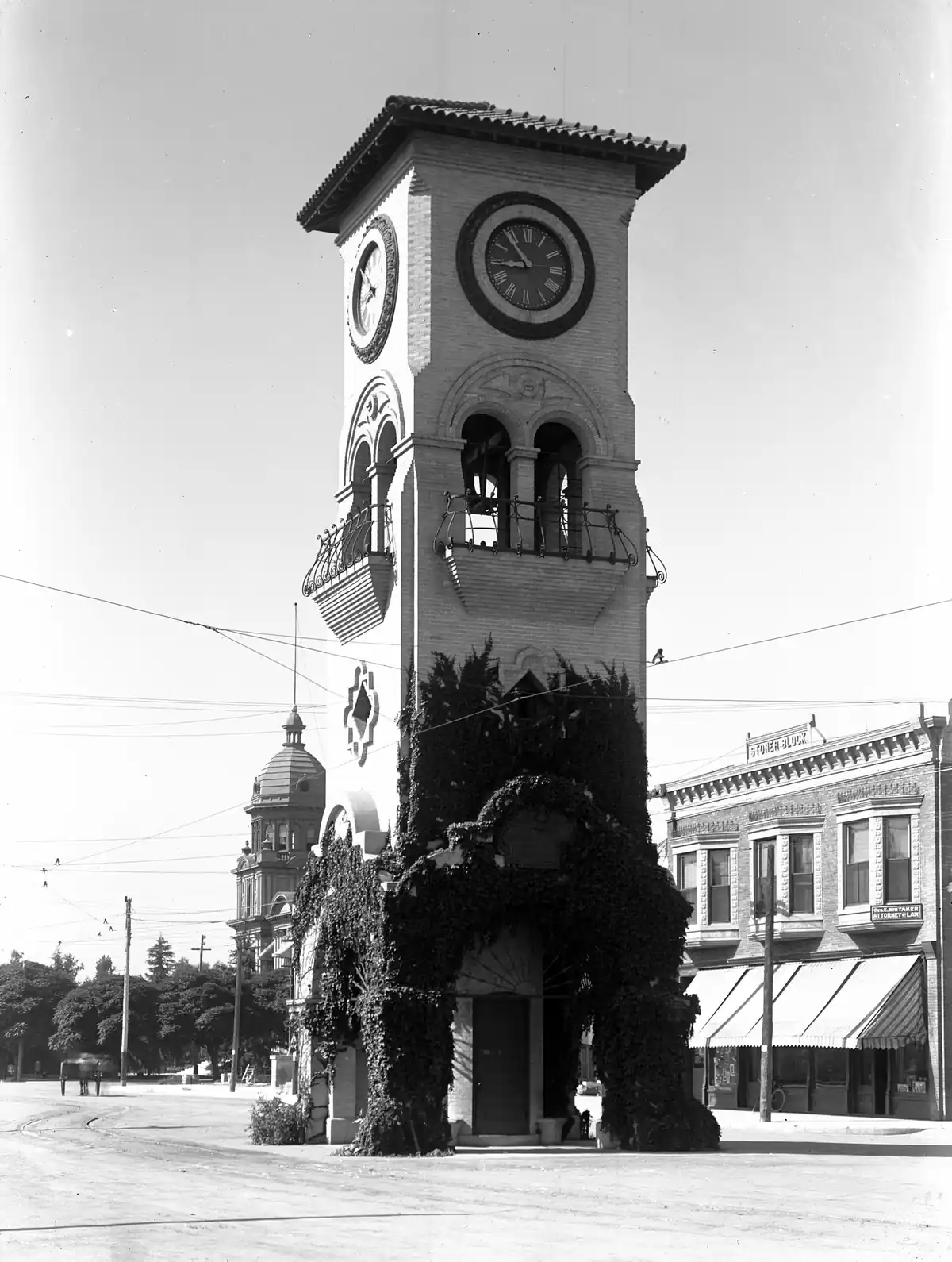
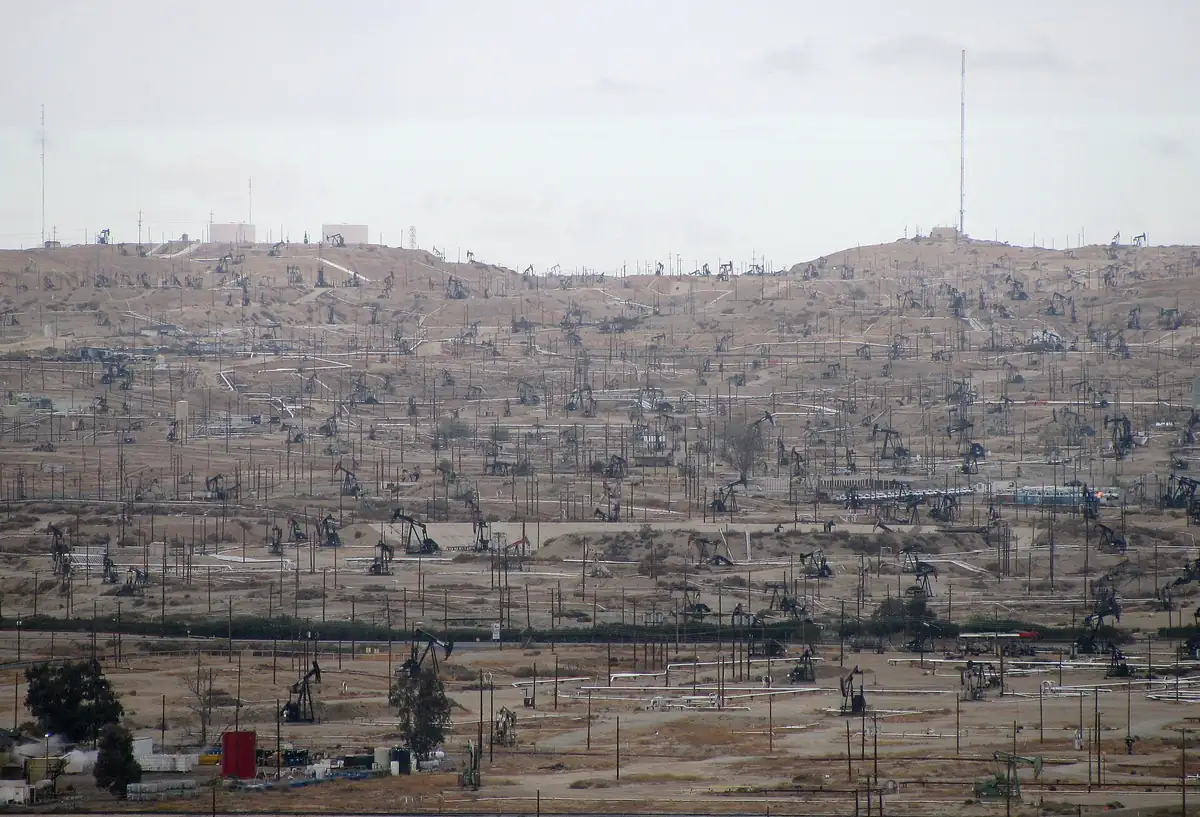
Bakersfield sits at the south end of the San Joaquin Valley, where the Sierra Nevada, the Tehachapis and the Coast Ranges close around the valley floor - and the geography sets the terms for every home system in the city. Summer is the headline: afternoons pass 100 degrees for weeks at a stretch, roofs and outdoor units bake all day, and air conditioners here log run-hours that mild-climate equipment never sees.
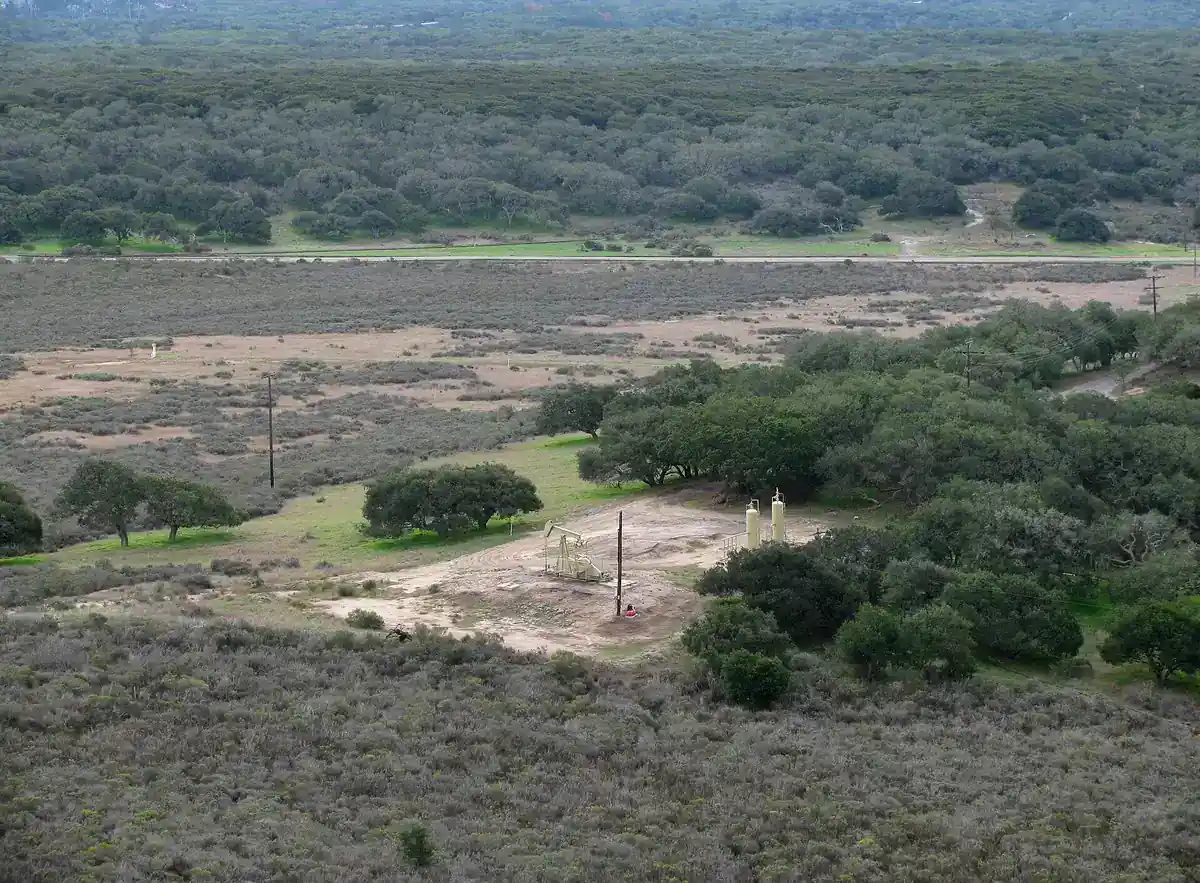
Agriculture is the second force. Almonds, grapes, citrus, carrots and cotton work right up to the subdivision fences, and the fields send their residents visiting - rodents at harvest, ants and crickets in season, mosquitoes off the irrigation canals, and pantry pests wherever grain and feed are stored. A Bakersfield home is never as separate from the farm as its fence suggests.
How Wasp nest Removal Works
Identify the species and locate the colony
Paper wasp, yellowjacket, dauber or bee - and the colony's true address, including what is behind the wall if the traffic says void.
Time and equip the removal
Work is done with protective equipment and at the hour the colony is home and least defensive - the removal takes the colony, not just its architecture.
Remove nest and colony together
The comb or void colony is eliminated and the nest material removed where accessible, so the site does not recruit next spring's queens or other pests.
Close the site against the repeat
Void entries sealed, attractant sites noted, and the eave-and-entry walk done so the next founding queen picks a different address.
Doing It Yourself vs a Professional
The DIY Route
- Knocking a paper wasp nest down at midday with the colony home, awake and committed
- Spraying into a wall-void entry hole - the yellowjackets reroute into the living space through the ceiling fixtures
- Sealing a void colony's entry while it is active, which ensures the colony comes indoors
VS
The Professional Route
- Identifies wasp from bee and dauber from yellowjacket before touching anything
- Removes the colony with the nest, timed and equipped for the species' defense
- Treats void colonies as structural work - extraction and sealing, not a spray at a hole
Keep It From Coming Back
Wasp prevention is a spring walk and a tube of sealant: the colonies are annual, so the whole game is refusing next year's queens their favorite addresses.
- Walk the eaves and entries each spring and remove starter nests while they are queen-and-three-cells small.
- Seal wall voids, vents and weep gaps before summer - yellowjackets need a cavity and a door.
- Keep pools and water features managed; in dry months reduce dripping faucets and standing sweet liquids.
- Cover food and drinks outdoors in late summer, when yellowjackets turn scavenger.
- Remove old nest material in winter cleanups - and check play equipment and meter boxes too.
- Leave mud dauber tubes unless the location truly matters; they are spider control you did not have to buy.